

A Day in a Hide
First time with an iberian lynx

Spending a day in a photo hide wasn’t on my list some time ago. Yet, last year, I did exactly that.
After finding a good deal on a telephoto lens for wildlife photography in 2024, I started planning an autumn trip to test it. In previous years, my autumn nature trips had taken me to northern Portugal and northern Spain. This time, I wanted a change of scenery. There are so many interesting spots across the Iberian Peninsula to explore and build photo projects around.
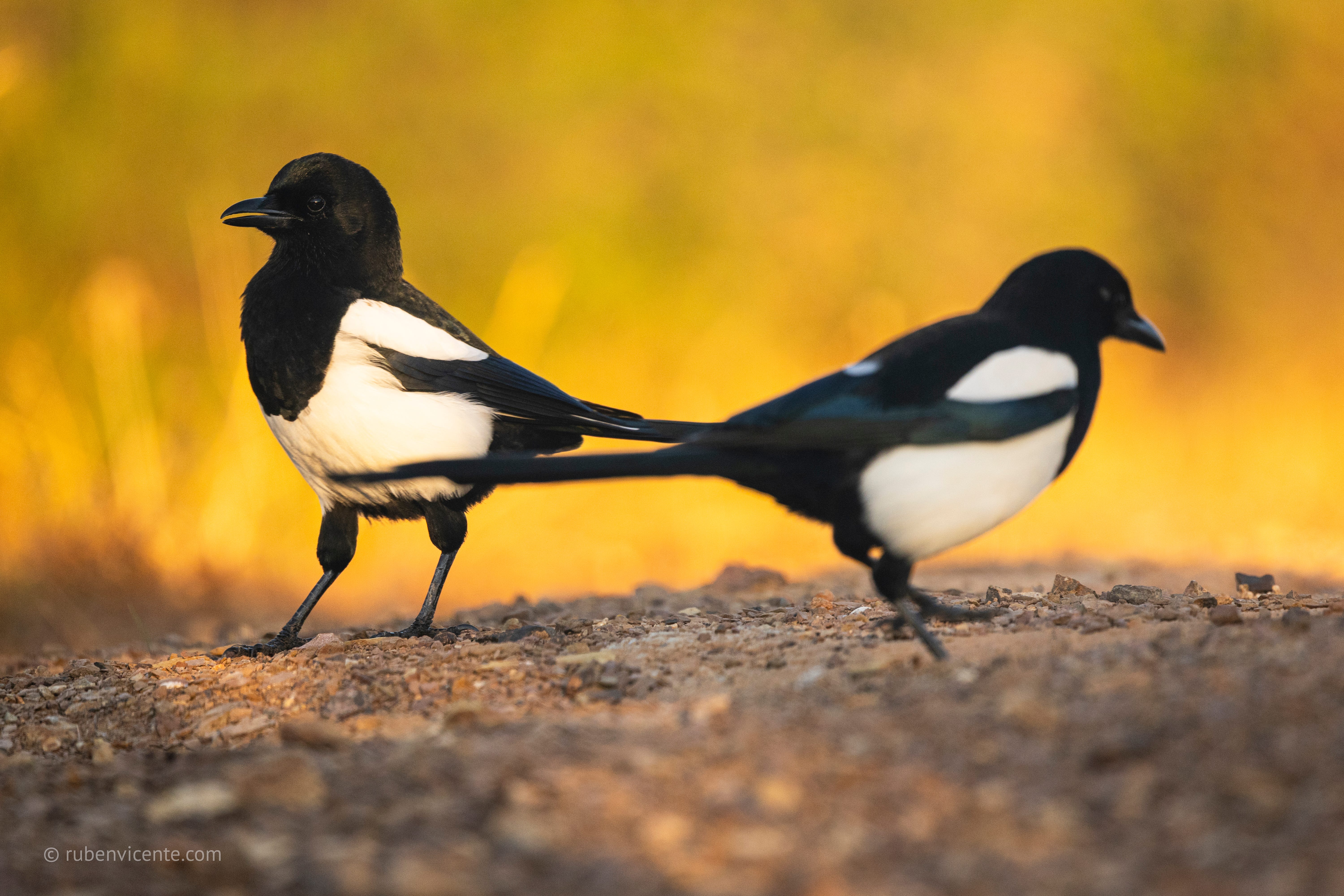
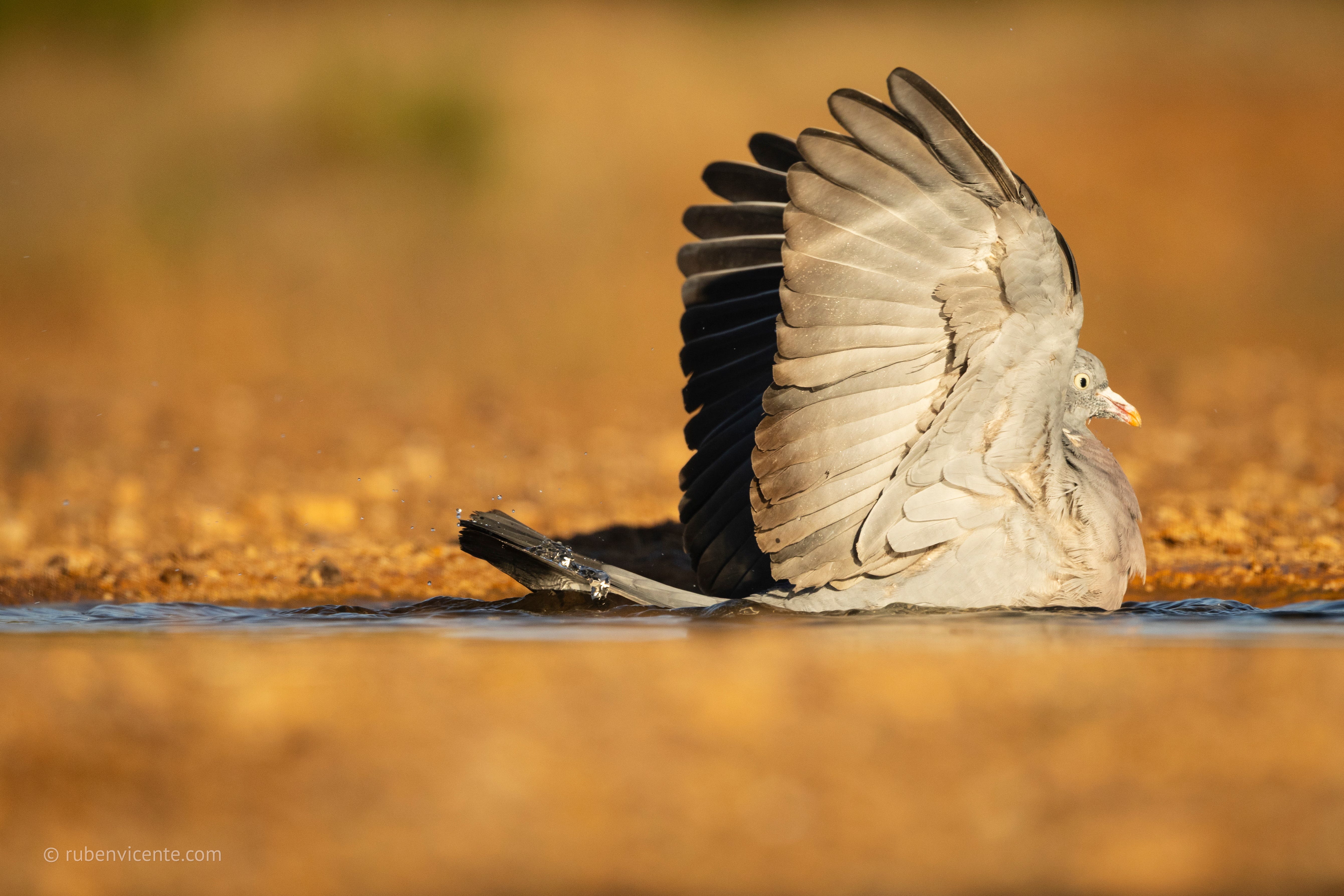
Not long before, in mid-2023, I had finished reading a book by Spanish biologist Alfonso Polvorinos, titled La Ruta 5. The book recounts his experiences seeing what he calls the “Big Five” of the Iberian Peninsula, a nod to the well-known African safari Big Five.
Having already had the chance to see wild bears and tracks of Iberian wolves, I decided it was a good time to try to spot and photograph the Iberian lynx. It wasn’t easy to prepare for spending twelve straight hours inside a small metal box with just a couple of chairs. How would I manage food, clothes, and toilet breaks? How would I keep my short attention span focused on a small patch of terrain in front of the hide’s glass window? Would I be bored to death, or completely thrilled by everything I was going to see?
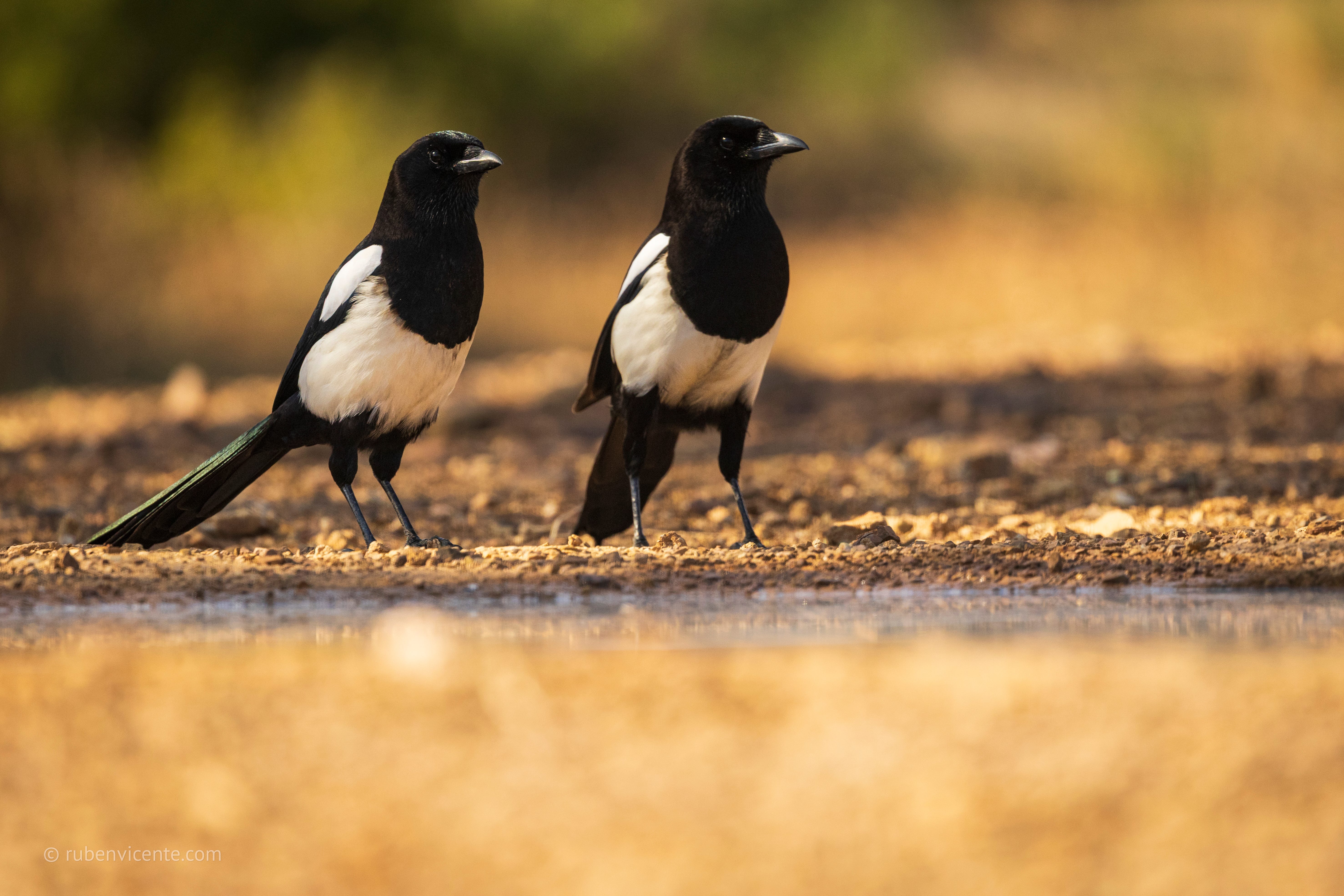
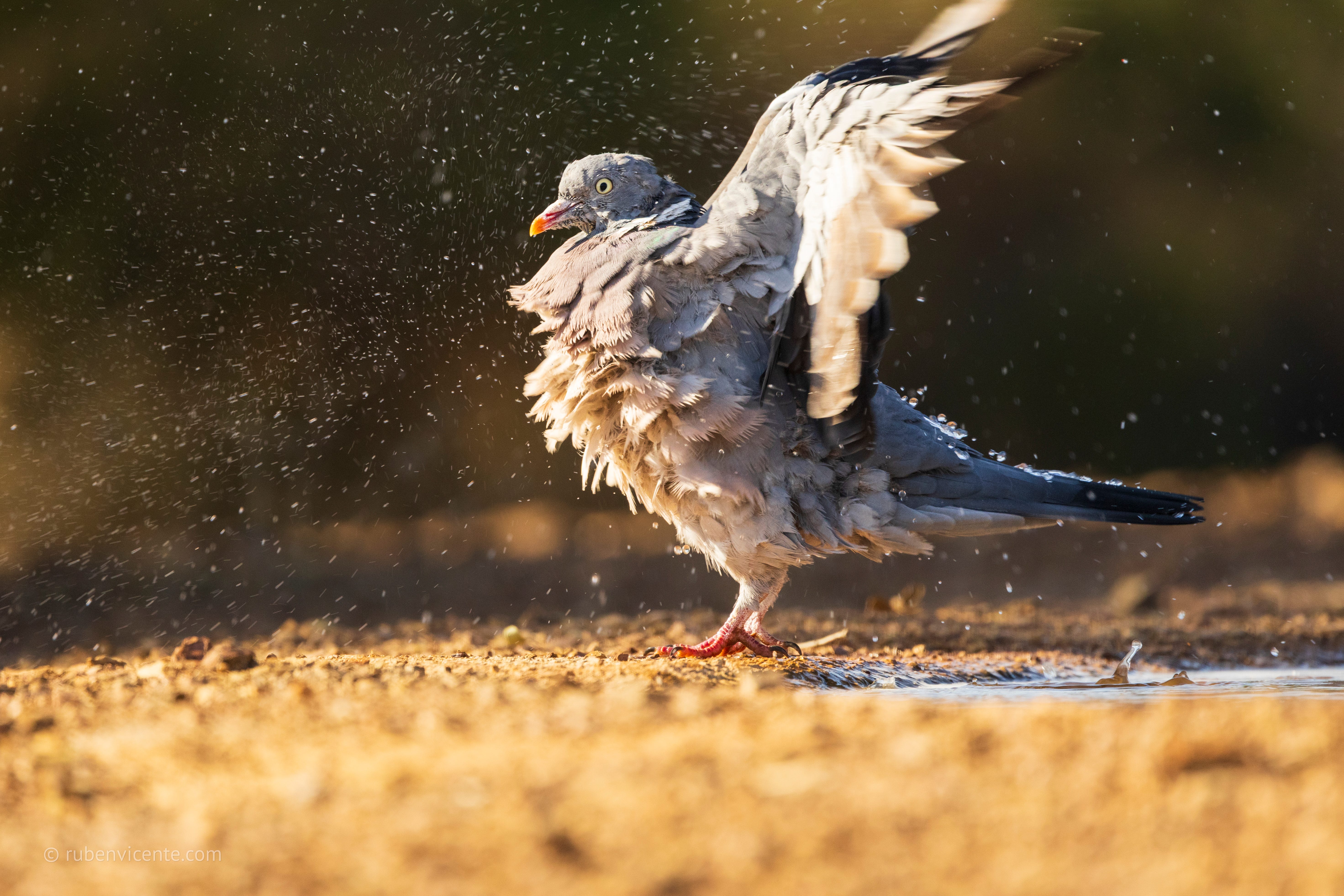
I woke up early that day. I was supposed to enter the hide while it was still dark and leave at dusk. The drive from my hotel to Peñalajo Farm, in the southern part of Castilla-La Mancha, was quick. Three layers of clothing and gloves were a good bet for the early morning cold, while a single T-shirt was enough by midday. The suggested “toilet” solution, a plastic bottle, worked fine. For food, I had gone to a local supermarket the day before, bought some bread and cheese, used my Swiss knife to cut them open, and made a sandwich on top of the closet shelf in my hotel room. I also brought some cereal bars, a common staple on my nature trips.
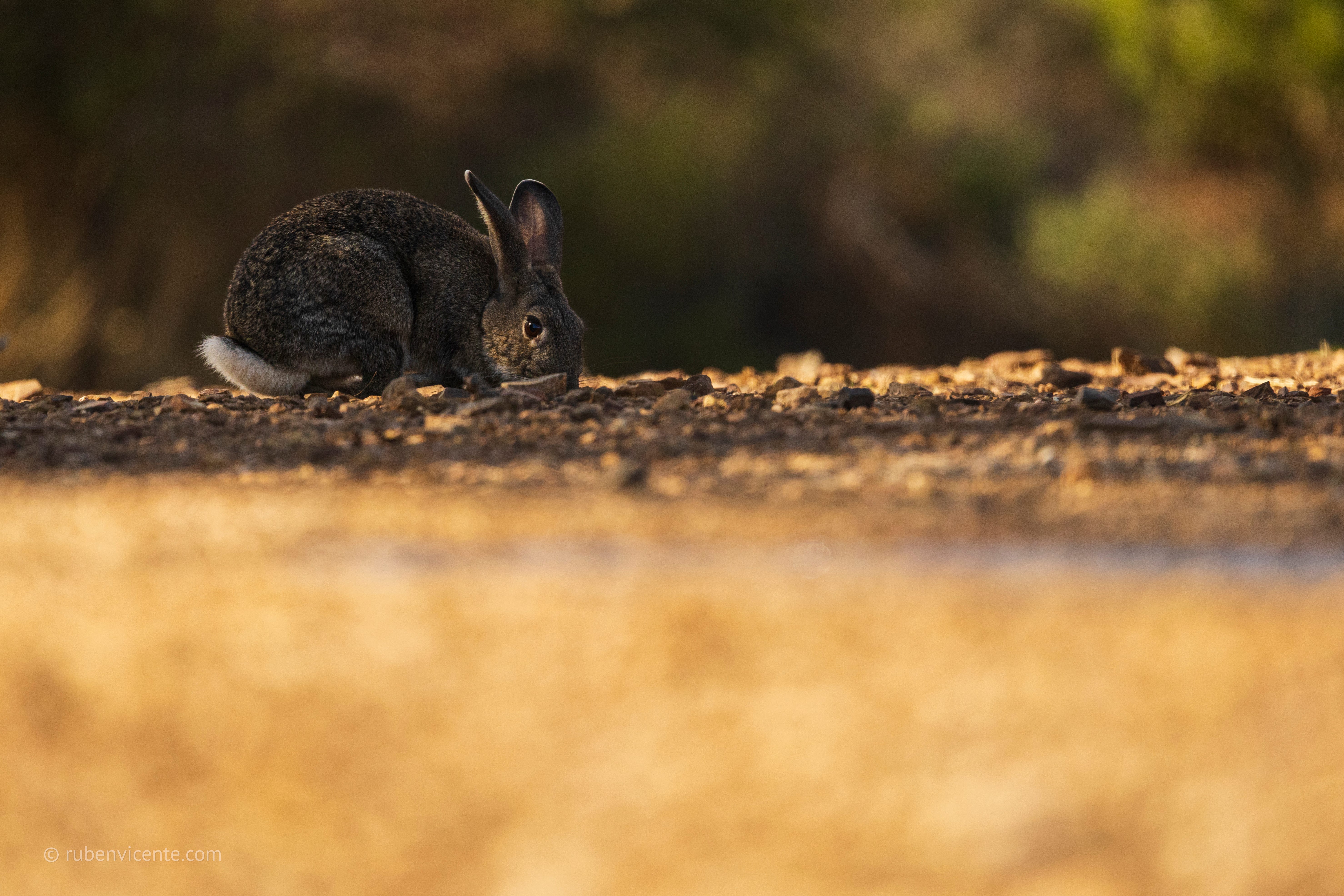
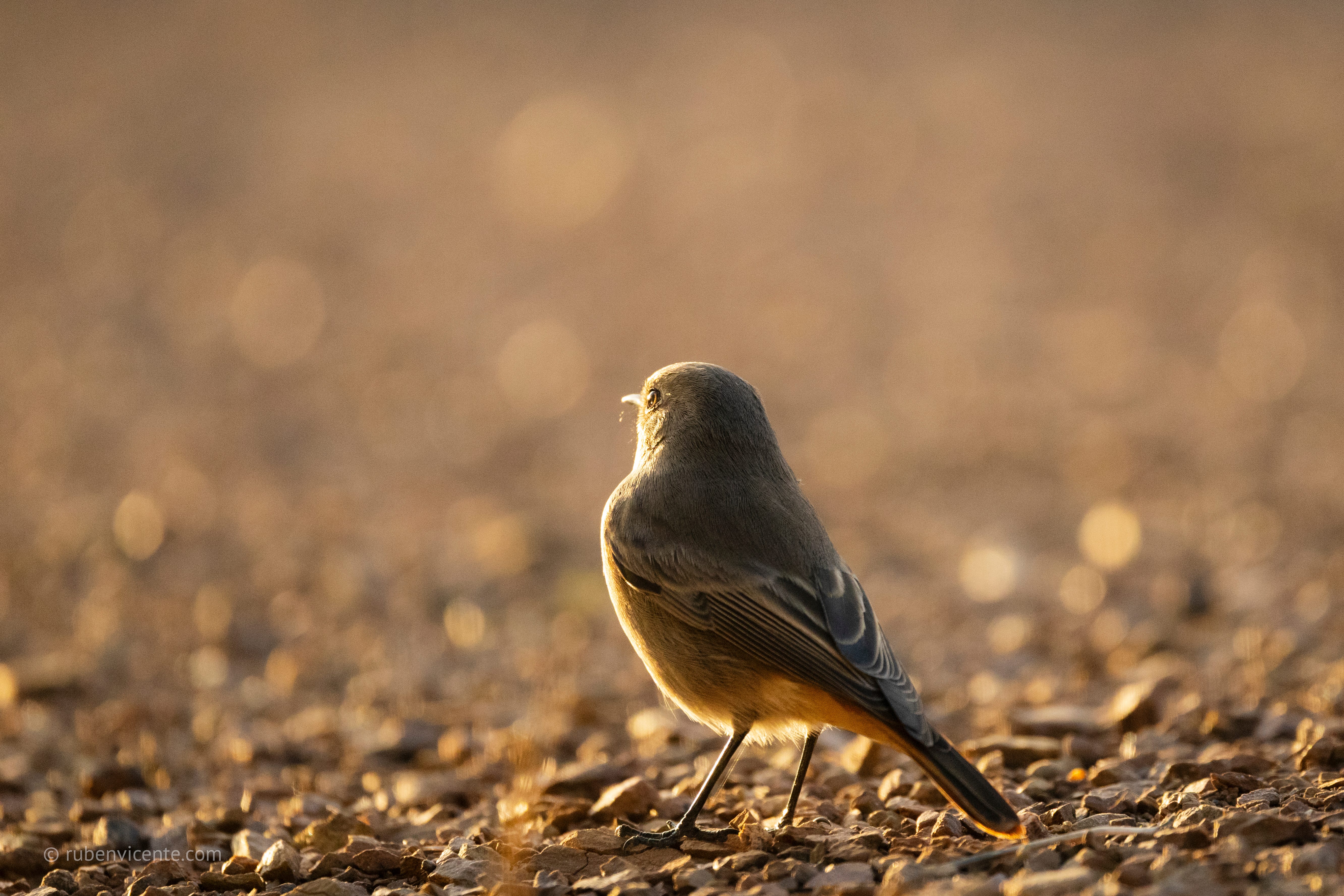
It was hard to predict, but that day turned out to be one of the most rewarding I’ve ever spent in nature. I saw the lynx twice, briefly, in the morning and afternoon, slowly emerging from the brush to my right and disappearing into the brush in front of me. However, the small water-filled pond kept me busy throughout the day. Magpies, wood pigeons, warblers, and the lynx’s favorite prey, European rabbits, all stopped by for a visit.
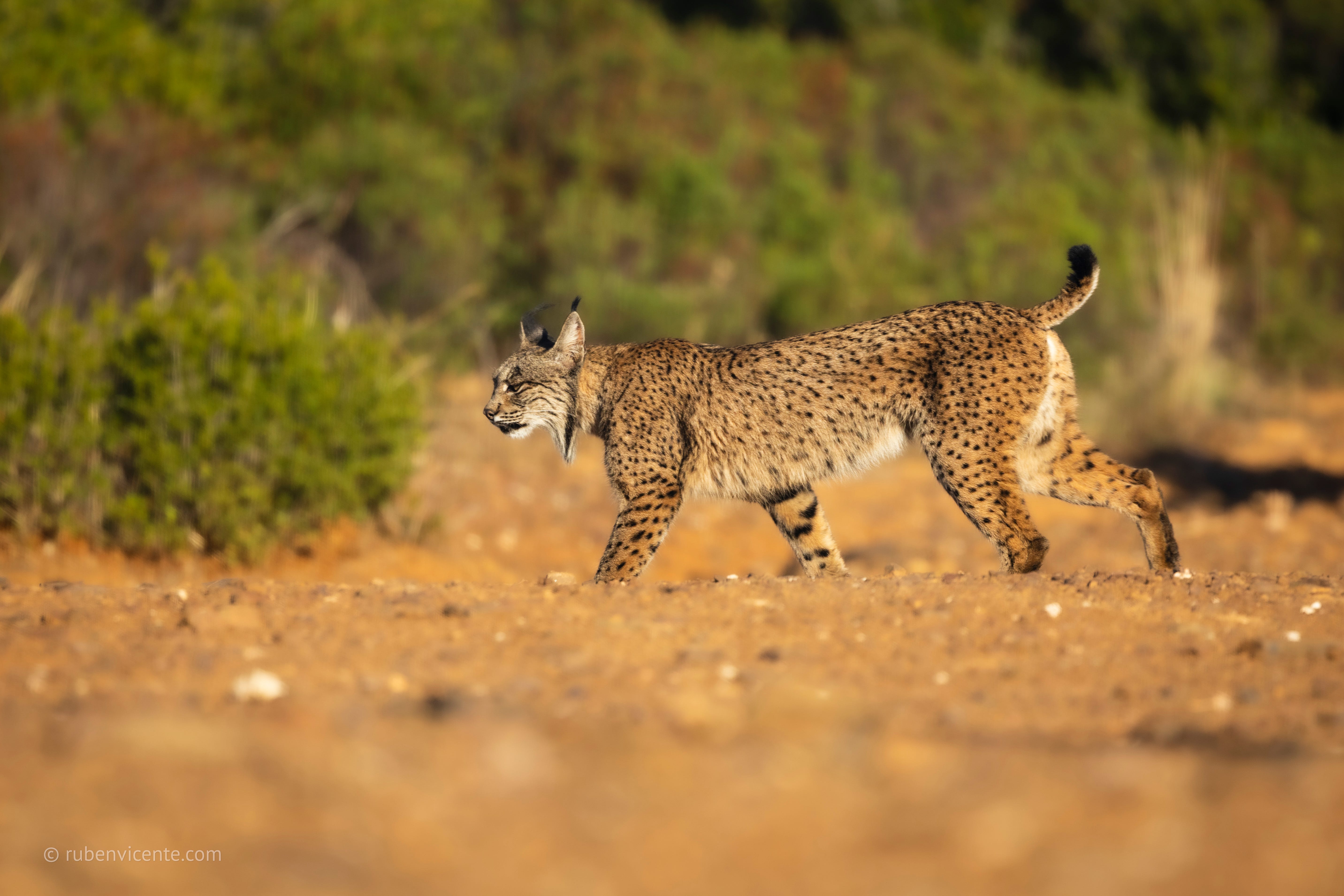
This was my first experience in a hide, and my first sighting of an Iberian lynx. The following days were spent elsewhere, with more lynxes and more hides, but that will be part of a future article.
If you enjoyed this article, please consider a small tip to keep me going. Your support means a lot to me, thank you!
I love these! I have not been in a hide but have thought of building one in my garden. The photos are so lovely, Ruben.