

Iberian Lynx
A few days in Sierra de Andújar with the elusive cat

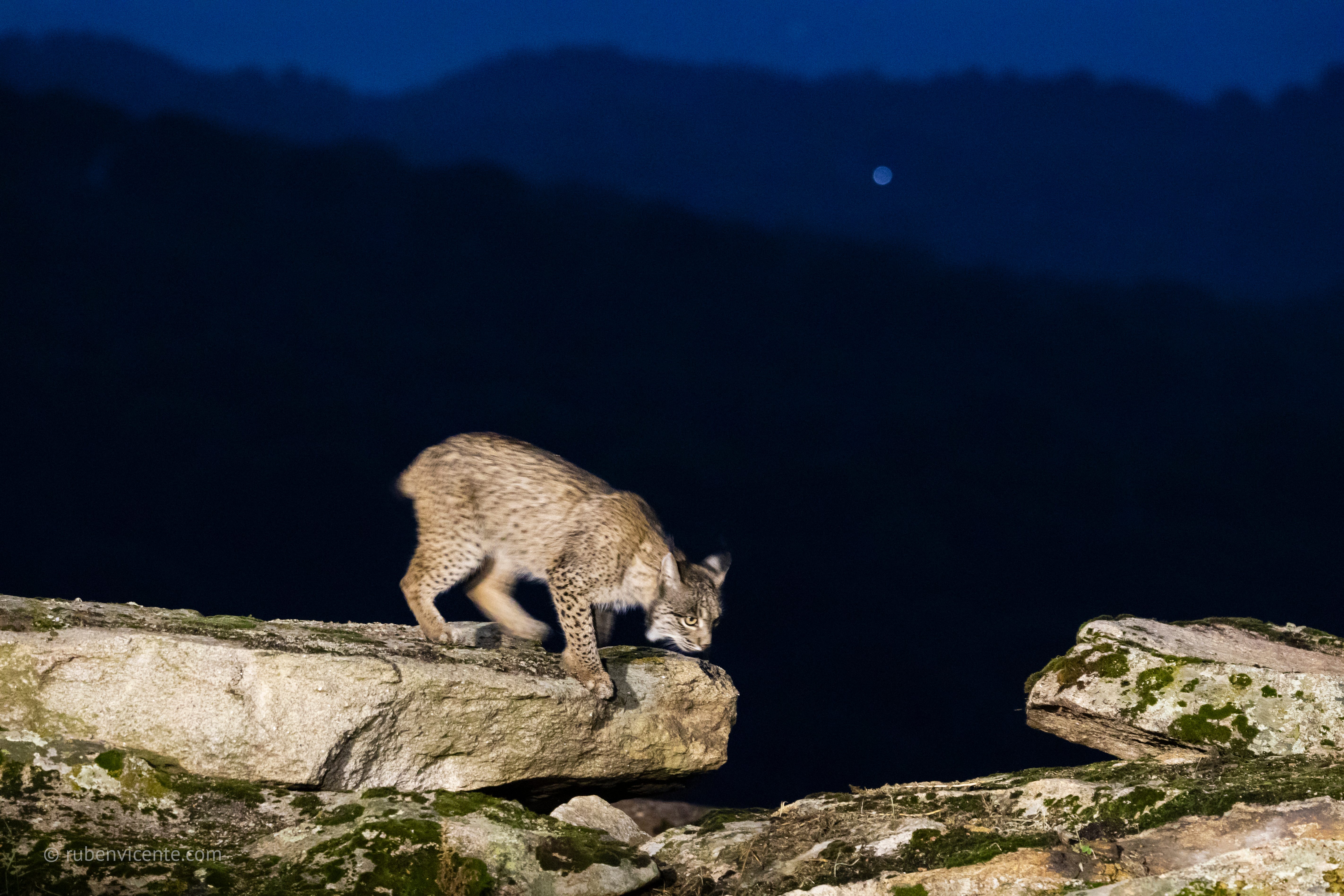
There are few moments to be lived more enthusiastically than photographing a wild animal. Making eye contact with an individual is certainly one of them and, if it is a species that many people thought at the end of the last century would be impossible to see today, it becomes even more special.
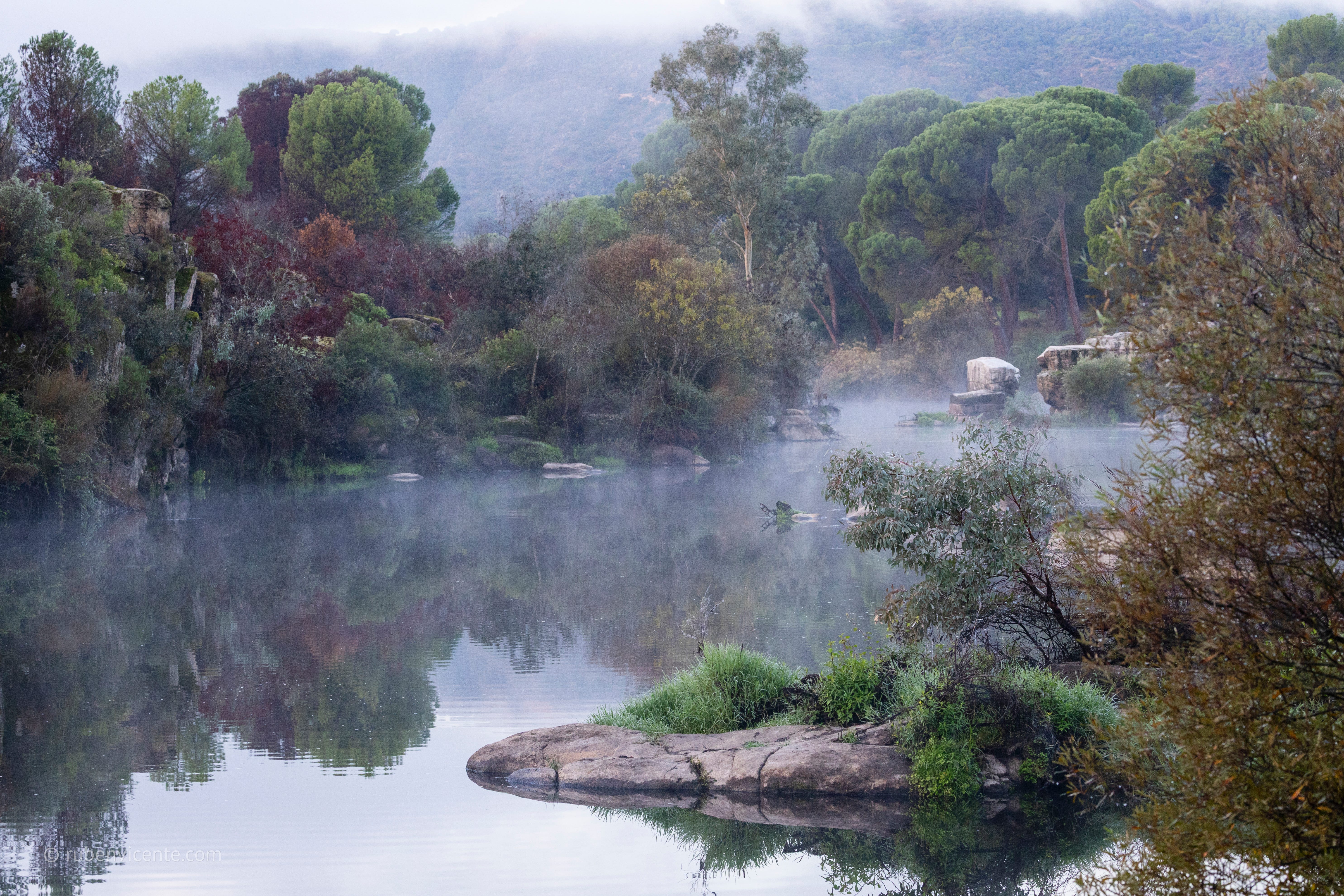
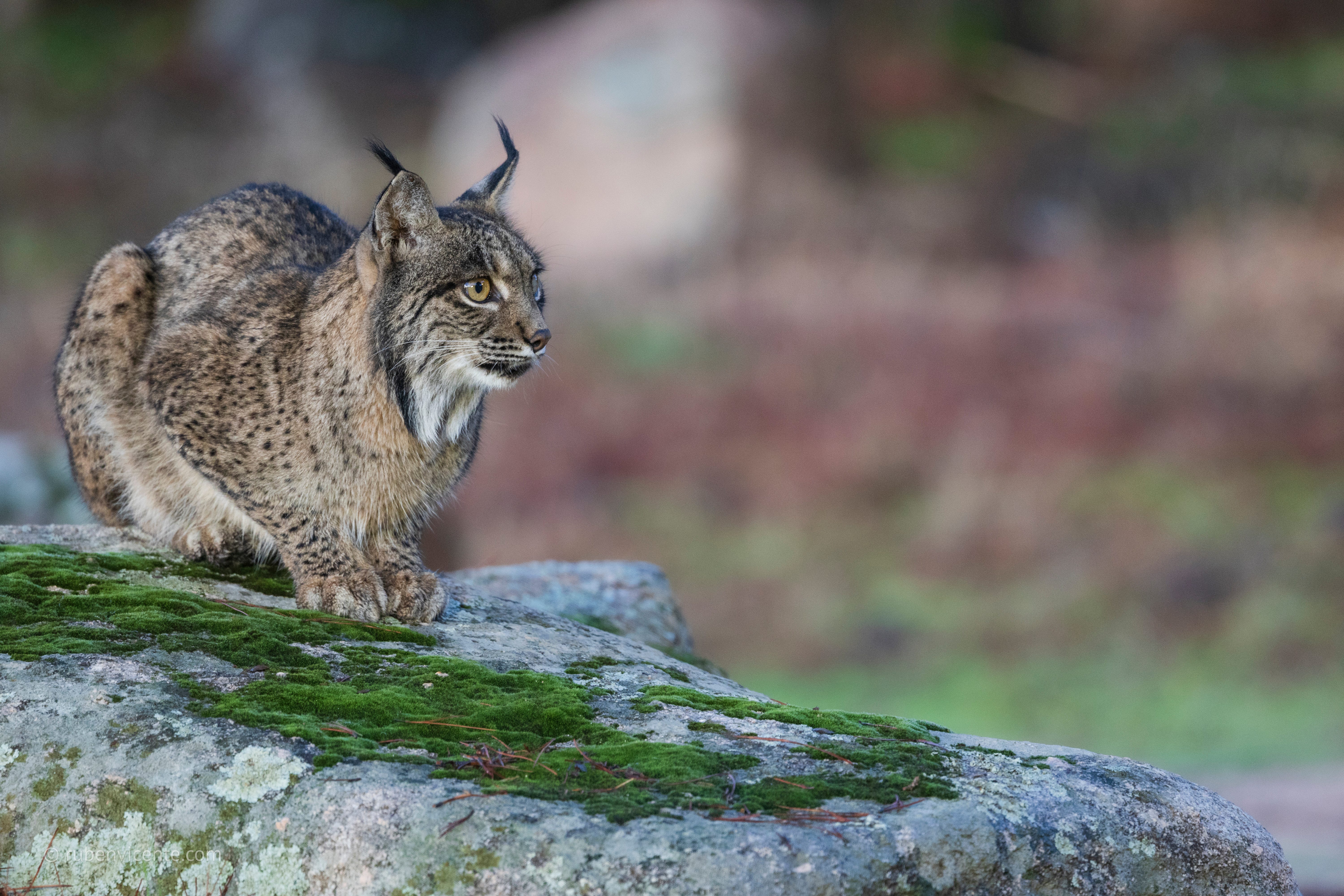
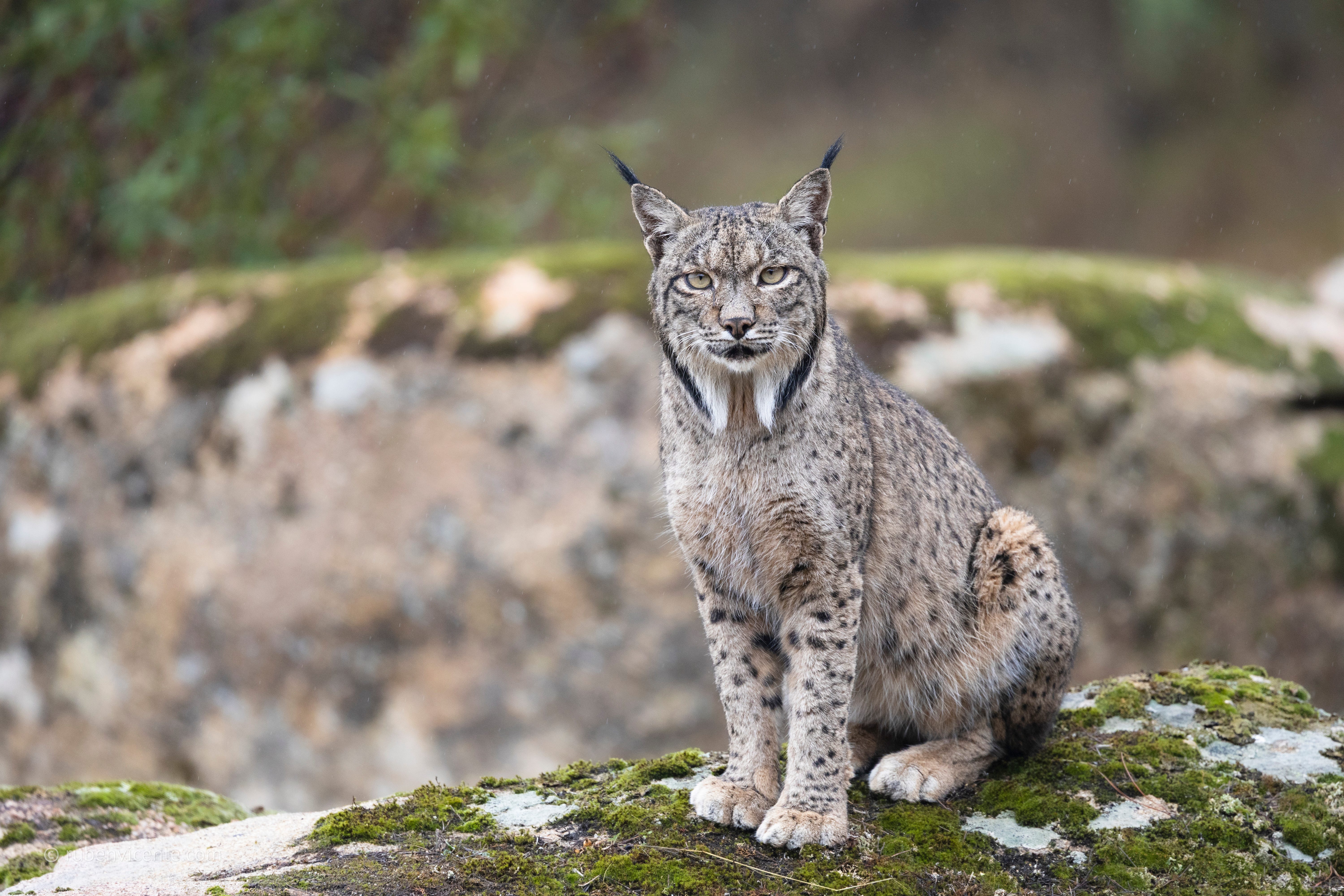
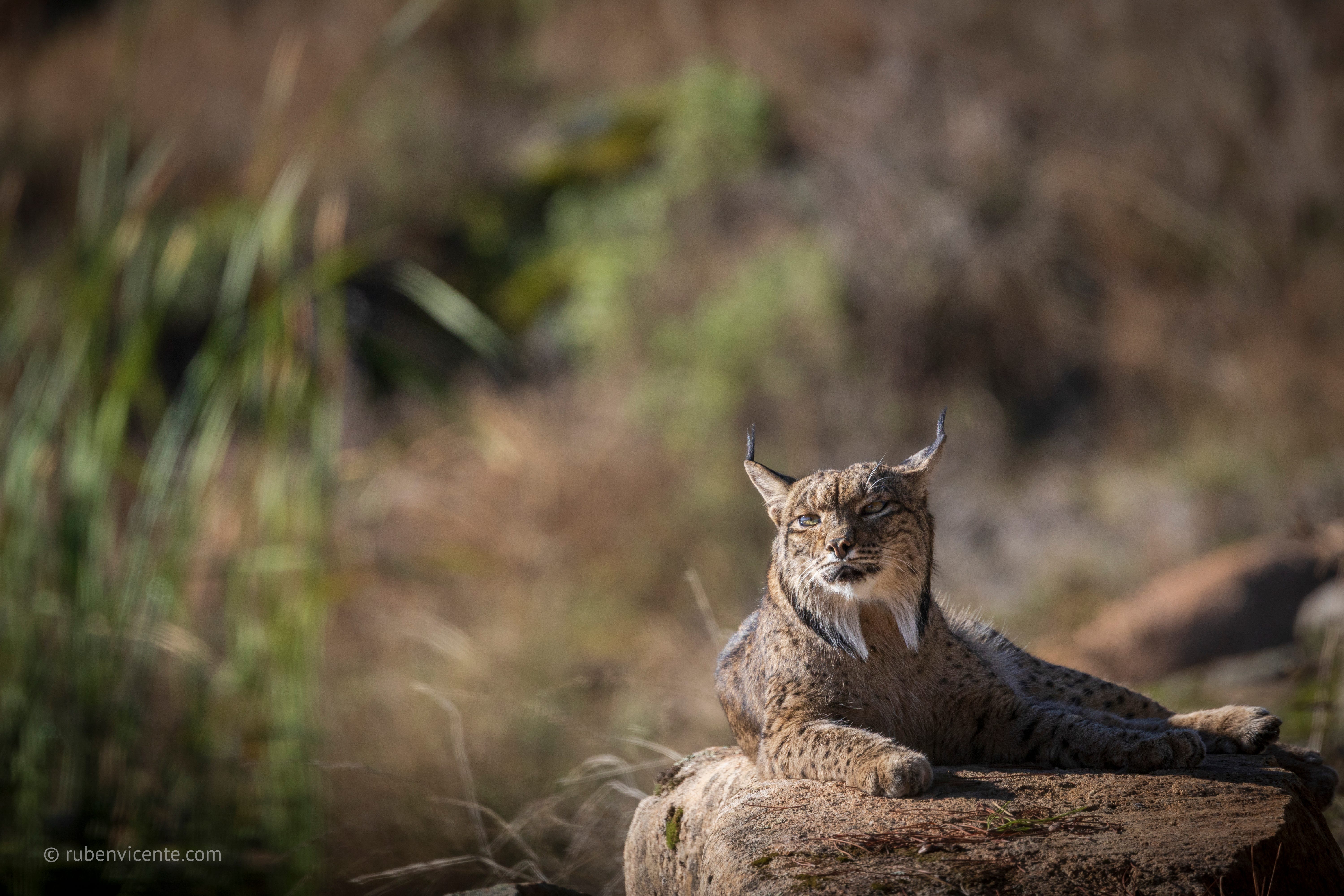
Endemic to the Iberian Peninsula, the iberian lynx - lynx pardinus - is characterised by a short “beard”, long black ear tufts and dark spots over a short brown greyish fur. Males tend to be heavier and larger than females, reaching up to 15 Kg and slightly more than 1 meter in length. Preferring Mediterranean scrublands, these artisans of camouflage have the European Rabbit as their favourite prey.


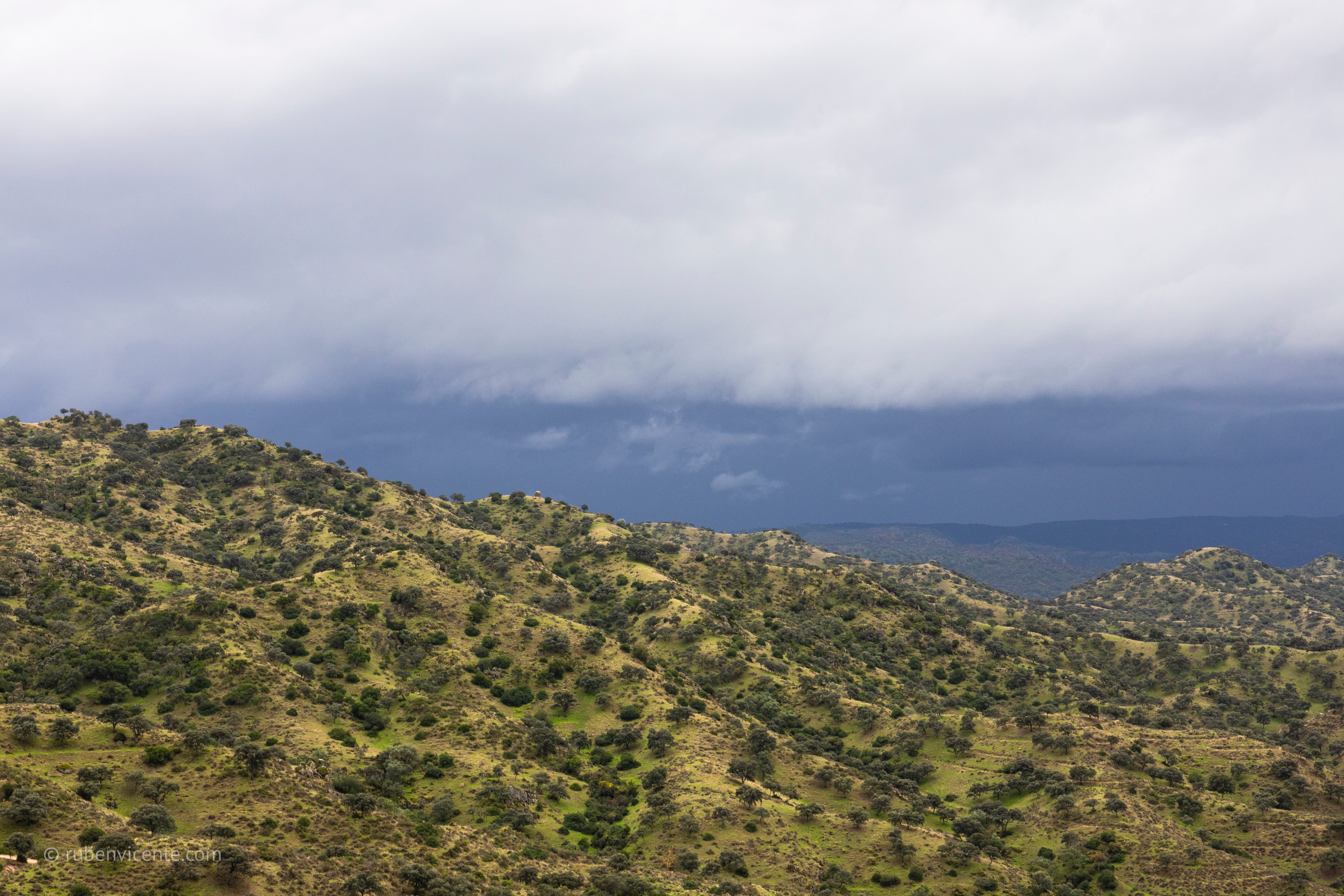
From 2024 population census, the Iberian lynx population is distributed with around 15% in Portugal, in the Guadiana Valley region, and the remaining 85% in southern Spain. One of the best places to maximize the chances of seeing and photographing this remarkable predator is Sierra de Andújar Natural Park. As counterintuitive as it may sound, around 70% of the natural park is private property, largely dedicated to game hunting. This activity represents the main economic support of the region and ultimately contributes to the safe environment the lynx finds in this territory, enabling it to thrive. The relatively low human pressure is also reflected in the diversity of other species that call Sierra de Andújar home.
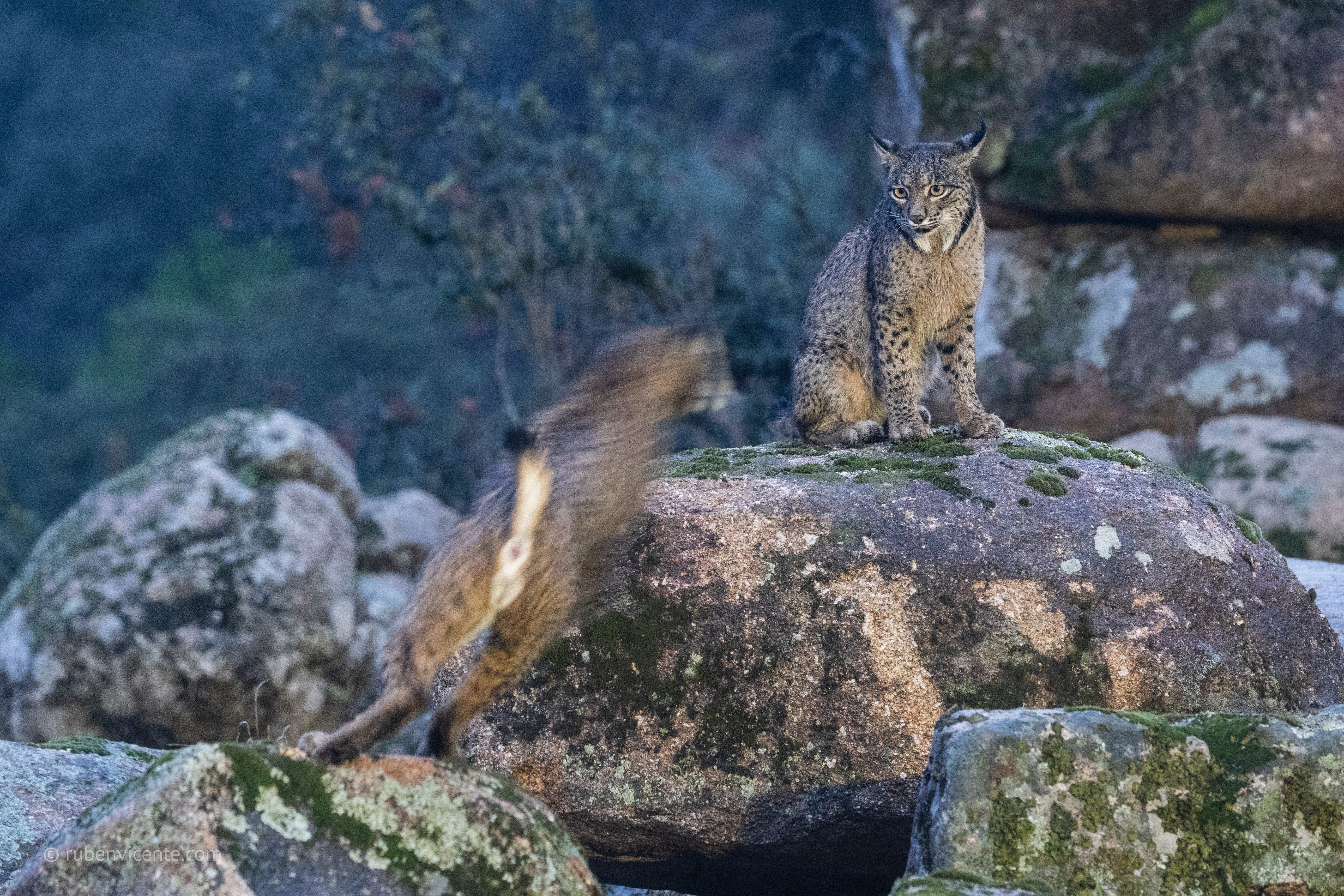
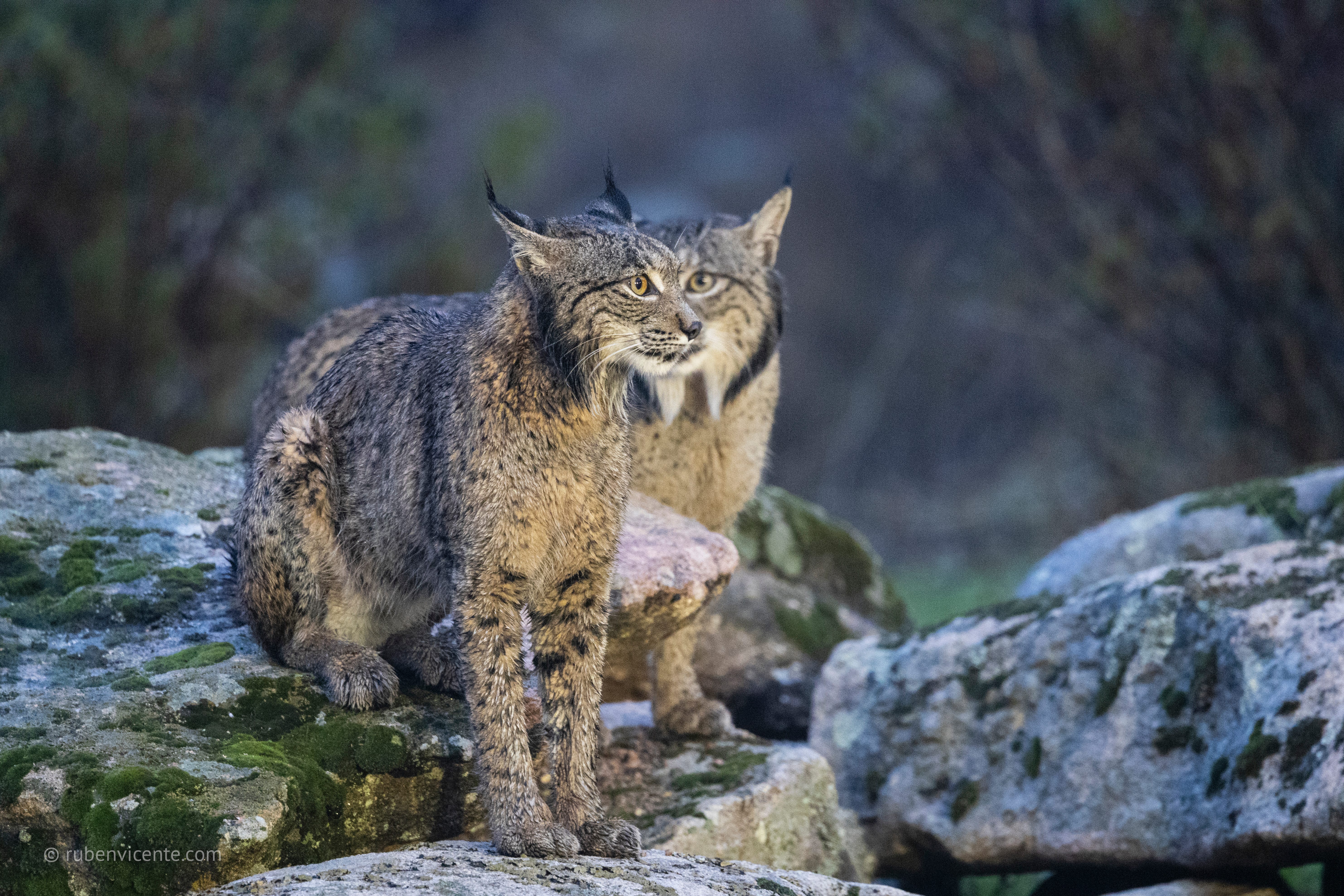
Several LIFE conservation projects helped raise a dwindling population of about 100 individuals at the end of 2002 to around 2400 in 2024. Habitat loss, scarcity of European rabbits due to disease, and non-natural causes of death were the main reasons behind the species’ near extinction. Science played a fundamental role in bringing these felines back to the IUCN list of vulnerable species. Breeding centers were established in both countries and reintroduction areas were defined. A true borderless effort of collaborative effort brought this emblematic species back from the brink.
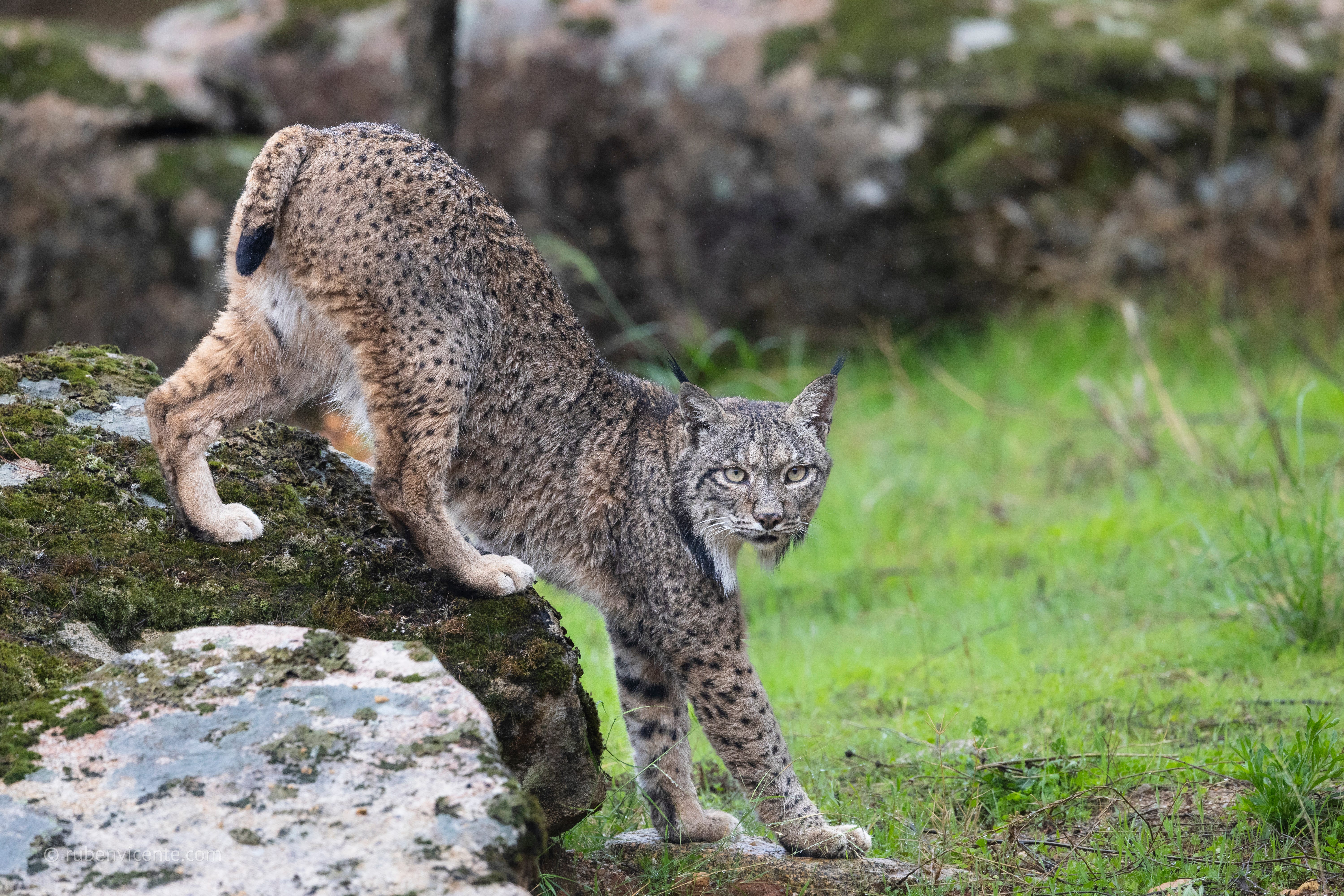
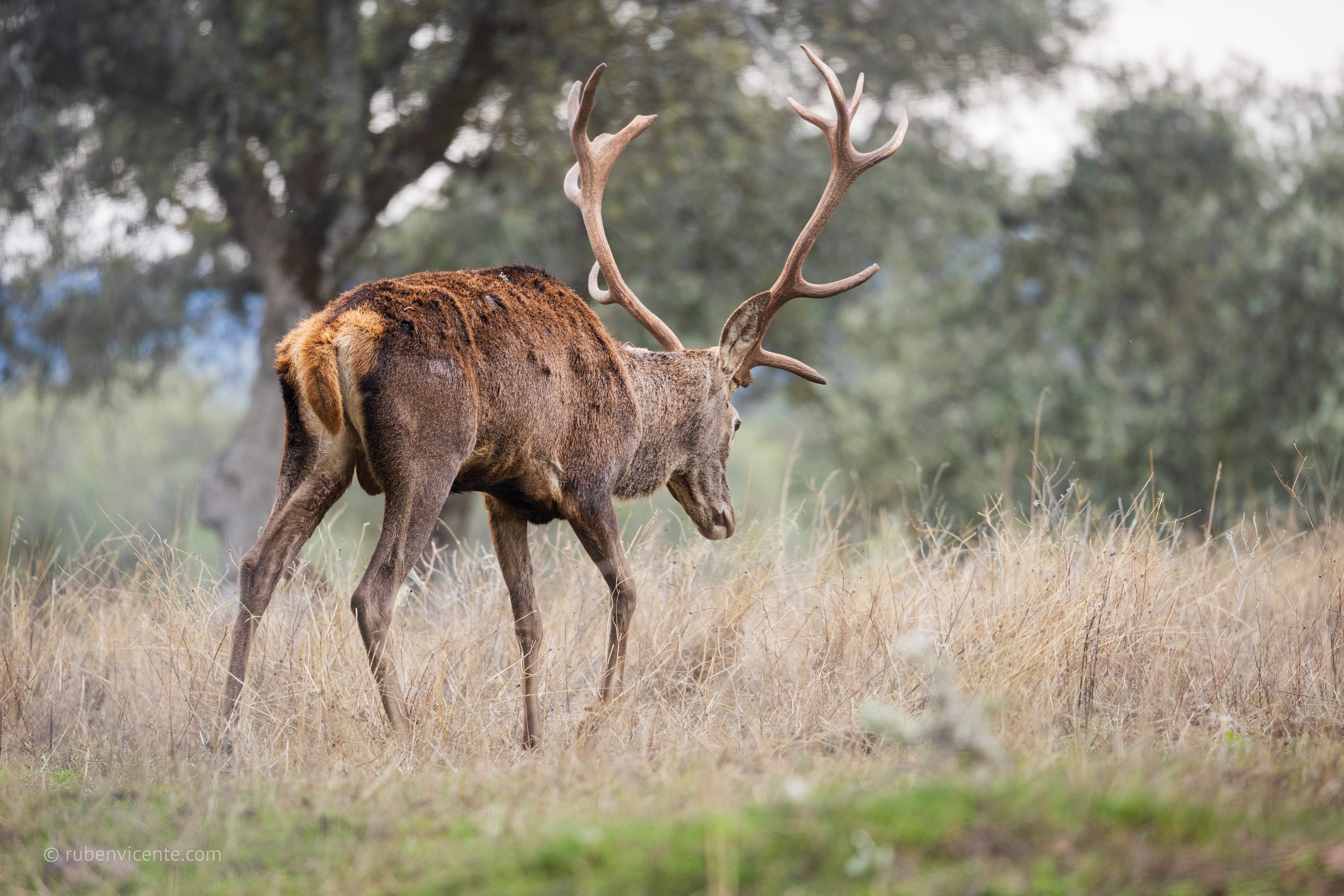
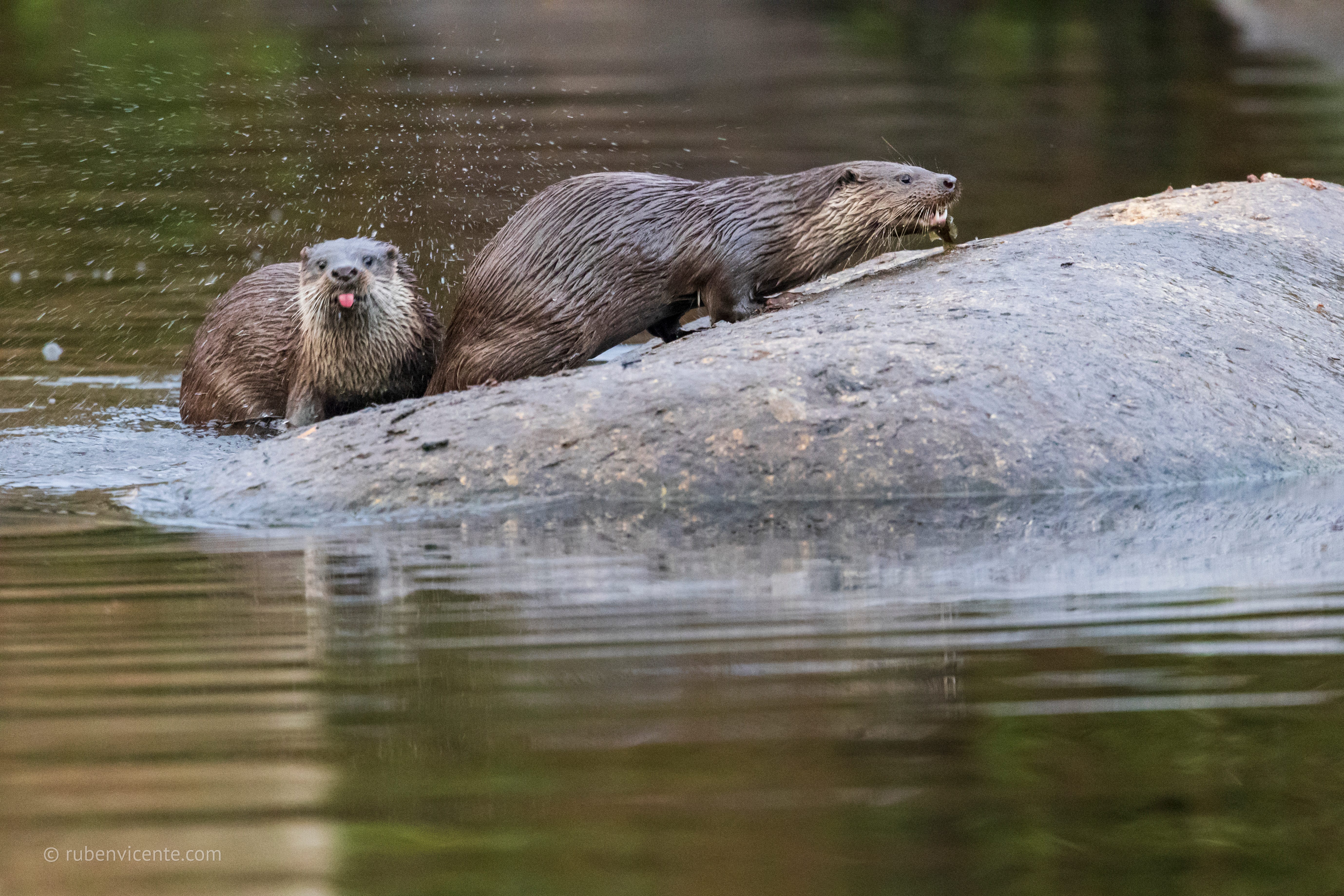
From my experience, seeing and photographing a wild iberian lynx is quite possible in Sierra de Andújar, especially at dawn or dusk when they are most active. To maximize the odds, spending some time in a hide or hiring a local ecotourism company is certainly worthwhile. There are, however, a couple of good locations withing the natural park where parking spots allow visitors to observe from a safe distance, and a good pair of binoculars can help track these animals. It can become extremely crowded in December and January, when the mating season reaches its peak. Other impressive neighbouring species that can be appreciated include deer, with their powerful rutting calls at the start of autumn, birds of prey and river otters.
Those yellowish eyes certainly leave a mark. Intense and profound, they are a constant reminder of how important conservation efforts are for the future of all species, including our own.
If you enjoyed this article, please consider supporting my work with a paid subscription of by clicking on the link below.
Lovely! I have heard of the lynx. This is the first time I have seen one! Beautiful job. Really nicely done.
Ruben, these are amazing. I once saw a pair of these at the Sierra Nevada ski station, near the lodge where I was staying. It was getting dark and I saw them exiting the parking area and traipsing through the snow, at first I wondered what animals they were, cat-like but so large & majestic. They paused to look back, I saw the points on their ears and the markings in their coat and realized they were lynxes. That was around 2000.