

Kyoto
Japan trip 2025

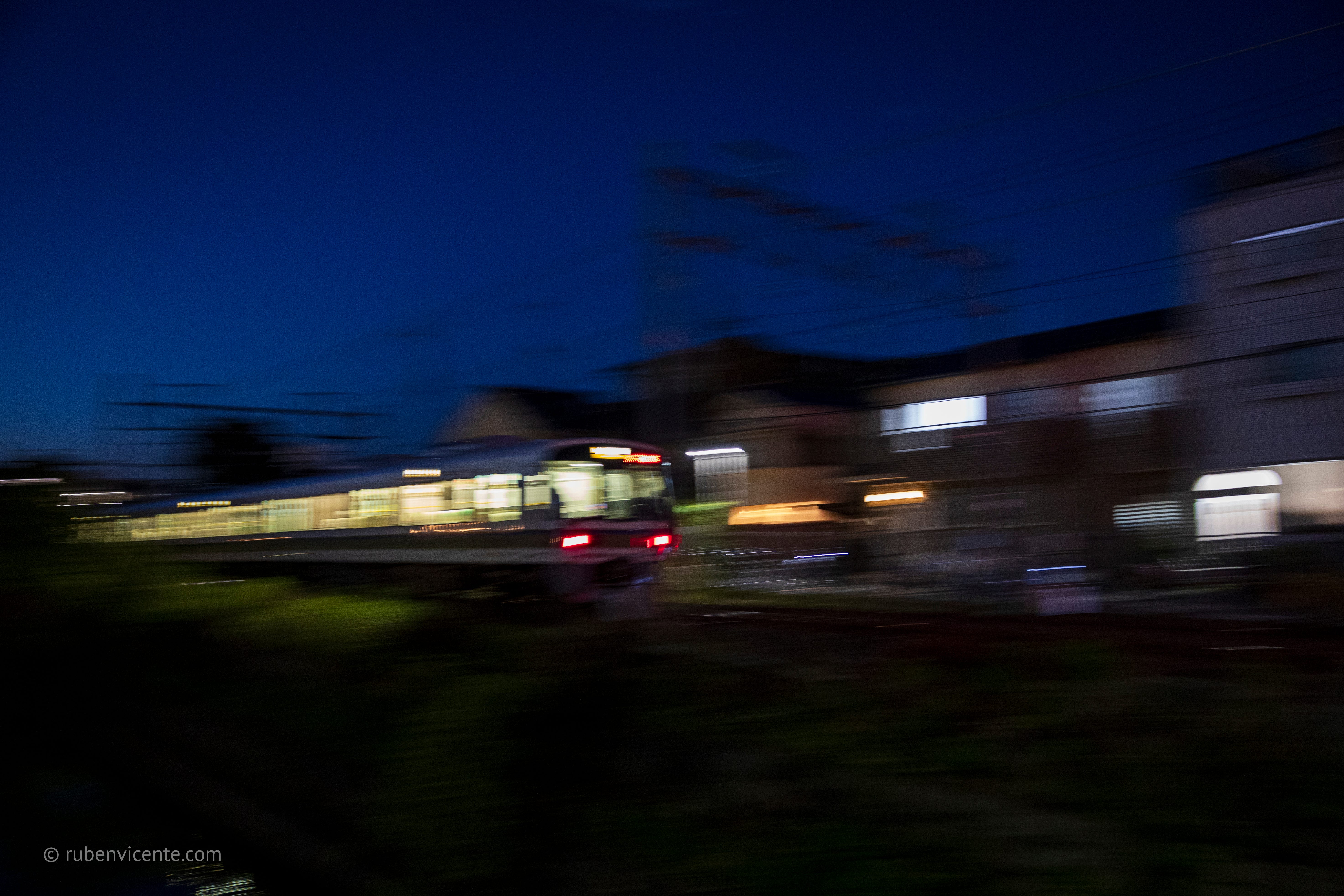
It’s mid-morning when we board the old-style train, as silent as only a Japanese train can be. The carriage floor resembles carpet, the interior is a cheap wood imitation, and the seats are a classic velvet green. The trip from Osaka is short. Well before lunchtime, we arrive at Kyoto-Kawaramachi Station.
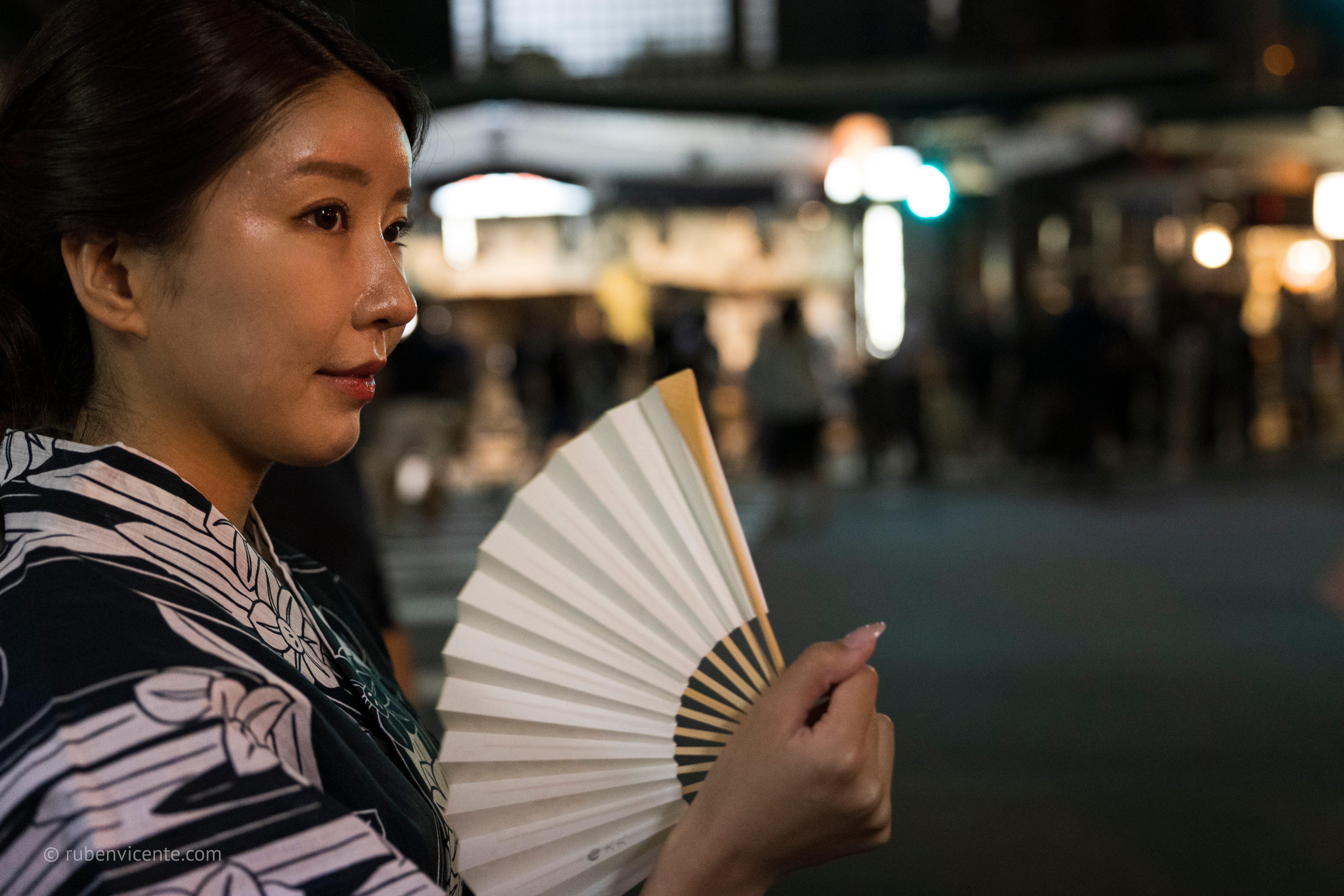
This Kyoto visit starts on a high note with a visit to Tsutaya Books. An old €450 edition of Robert Frank’s The Americans lies behind a glass display. Regrettably, I didn’t buy Eiji Ohashi’s winter edition of Roadside Lights, thinking I would easily find it in Tokyo during the final leg of the trip. You can probably guess what happened next: nothing, zero, void.
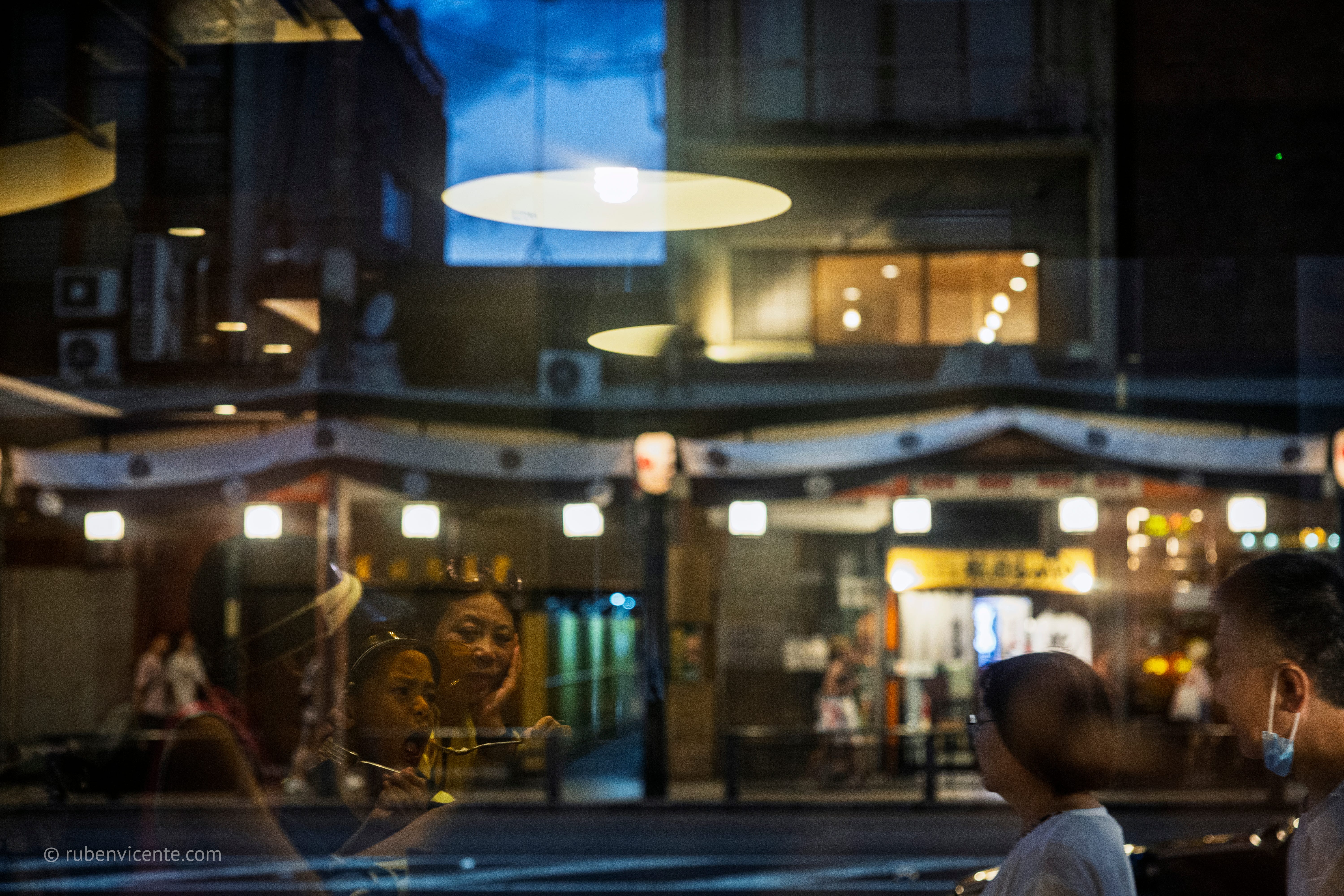
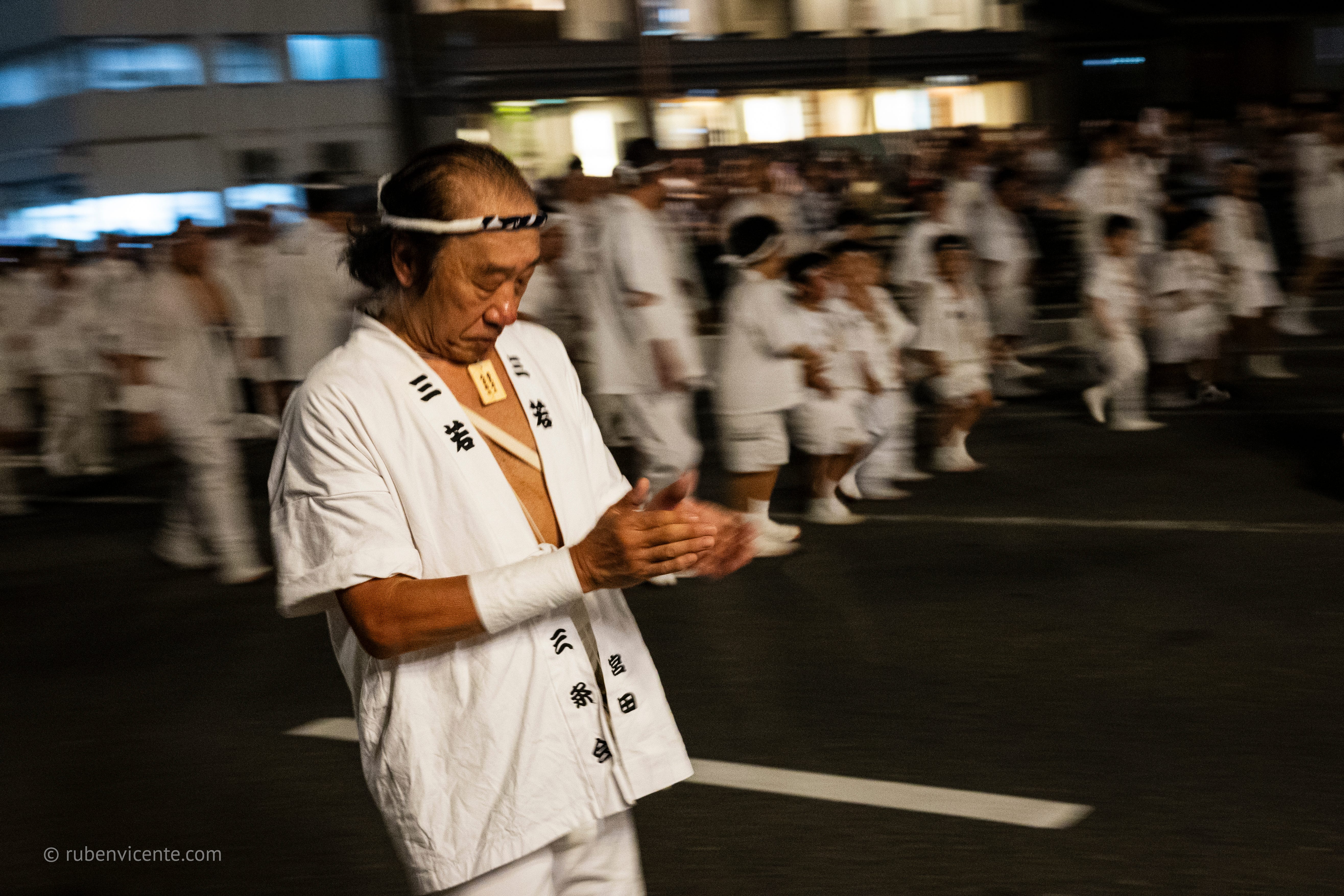
Though unplanned, we happened to arrive on the final day of the Gion Matsuri, the country’s biggest festival, which dates back to 869. This is the second time I’ve attended a festival in Japan. While matsuri aren’t among my main interests, it was an event worth experiencing since we were already there. For a deep dive into Japanese festivals, look no further than the work of my friend João Maia.
The anticipation built as crowds gathered around Yasaka Jinja, our first stop. Sign of the times: pseudo-influencers pulling ridiculous poses for their cameras. The worst was a Westerner with an open yukata, exposing his bare chest to the Shinto kami. Eventually, we caught the main procession along Shijo-dori Avenue.
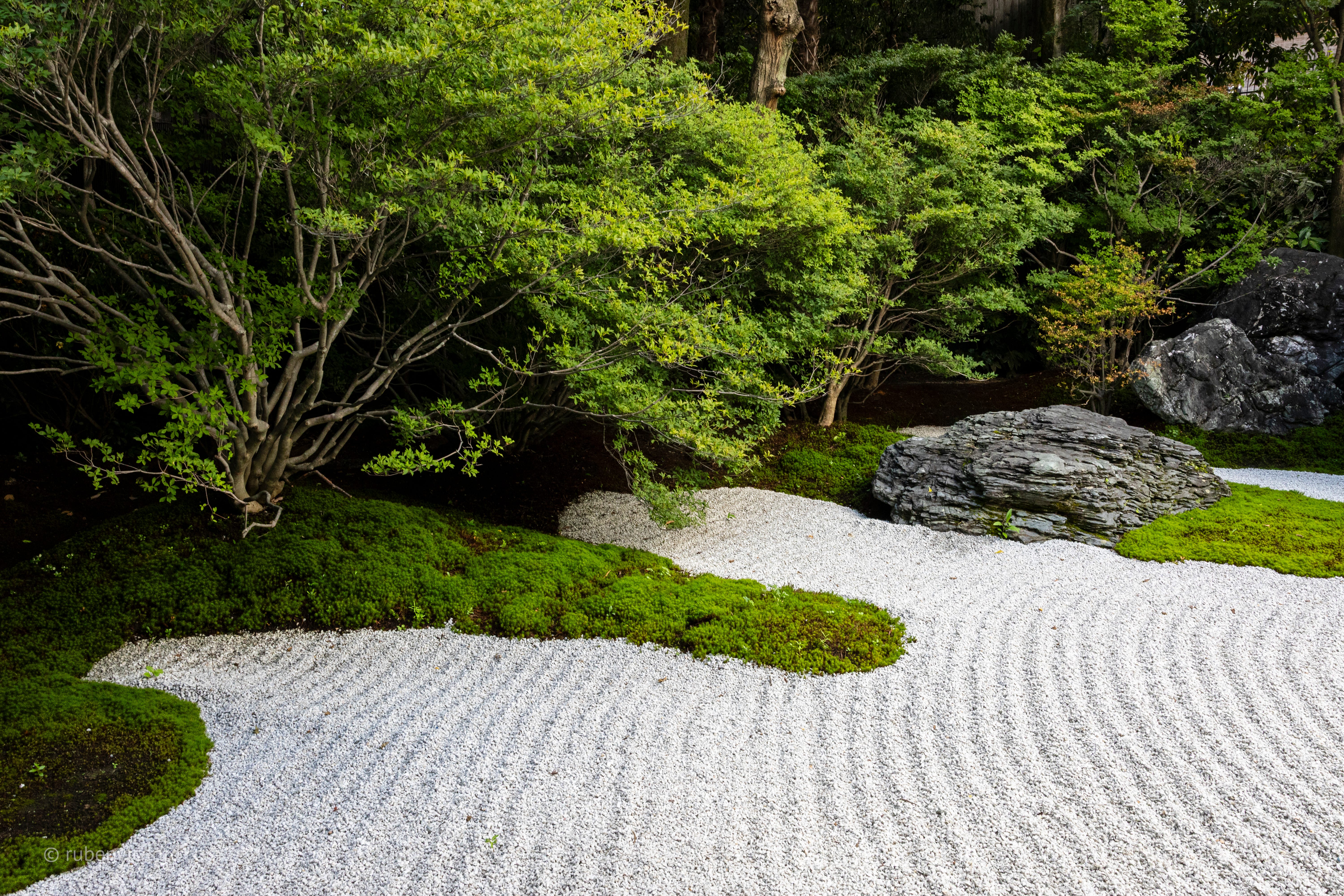
Unlike Shinto shrines, Buddhist temples tend to follow strict opening hours. This is always a challenge for someone like me, who needs eight hours of sleep and isn’t fond of the summer heat. A sacrifice was made in the name of Buddhism; we endured the midday sun to reach Kennin-ji. Once there, we took refuge in the shade of the Seirai-in sub-temple to enjoy the peace of its Zen garden. To be honest, peace is exactly what we found, except for a few minutes spent watching two young women perform photographic acrobatics in their kimonos. The world needs more Zen gardens, that is all I have to say.
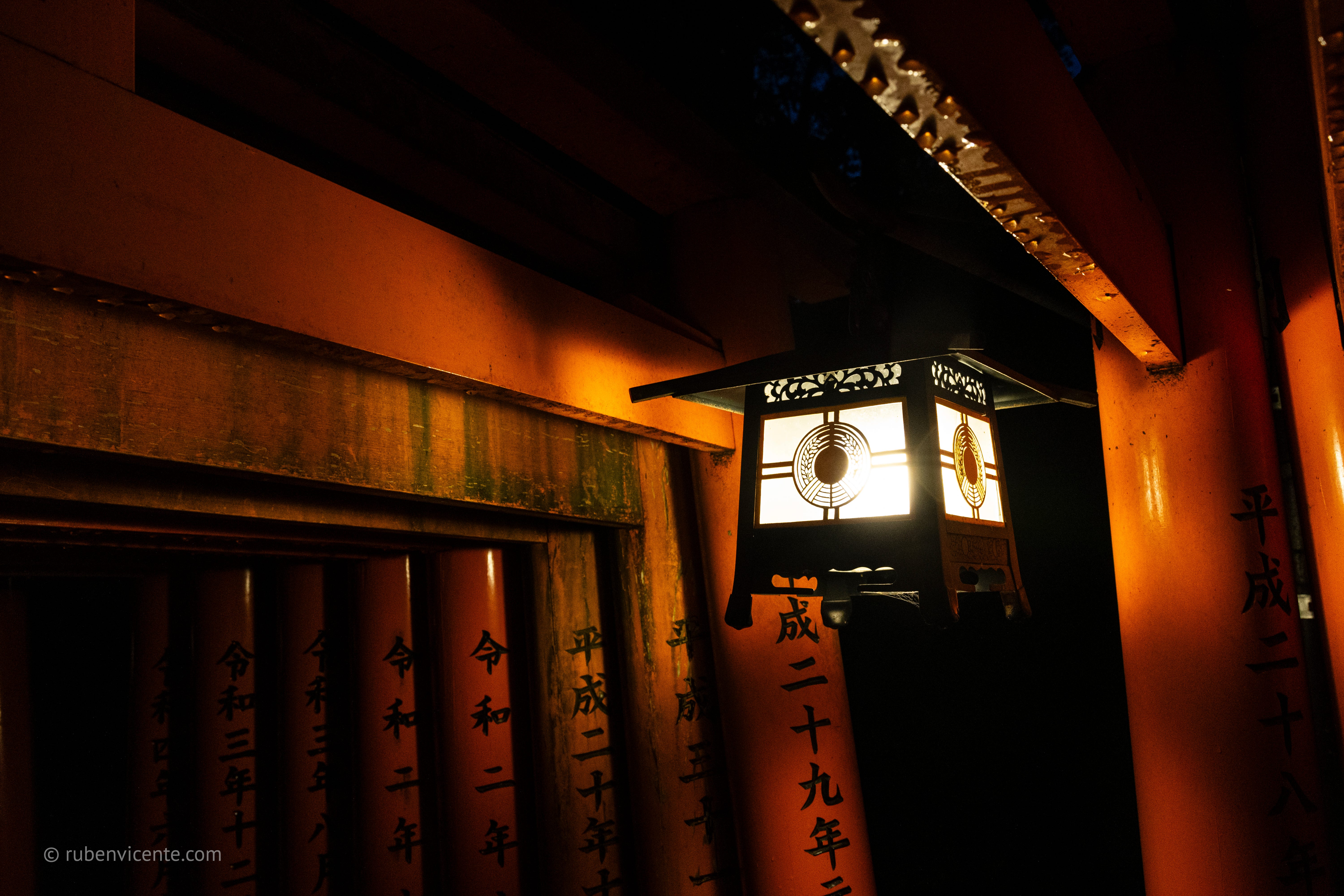
At the time of writing, Gemini tells me that Fushimi Inari Taisha is the most visited shrine in Kyoto. I’m not looking for precise data, just satisfying a casual curiosity, so I’ll take its word for it. It is still incredible that even in such a popular landmark, most people disappear as the temperature drops and daylight fades. I never imagined having the torii gates and paths entirely to ourselves in 2025, but I can attest that it happened. It was a poignant return to a place I look at every single day on the wall of my home office.
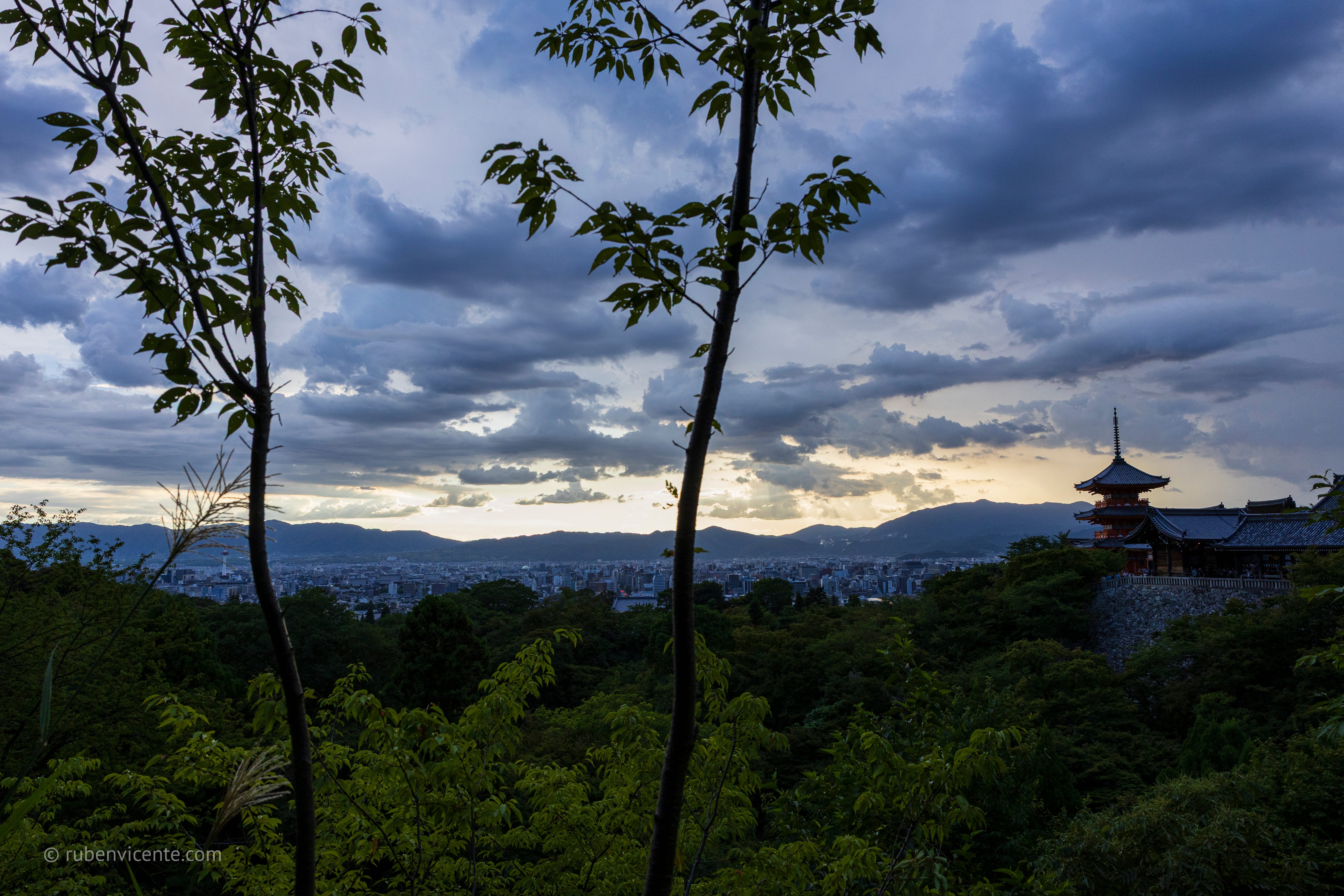
Kiyomizu-dera, on the other hand, was as crowded as it gets. It was incredibly difficult to find a composition that satisfied my photographic eye.
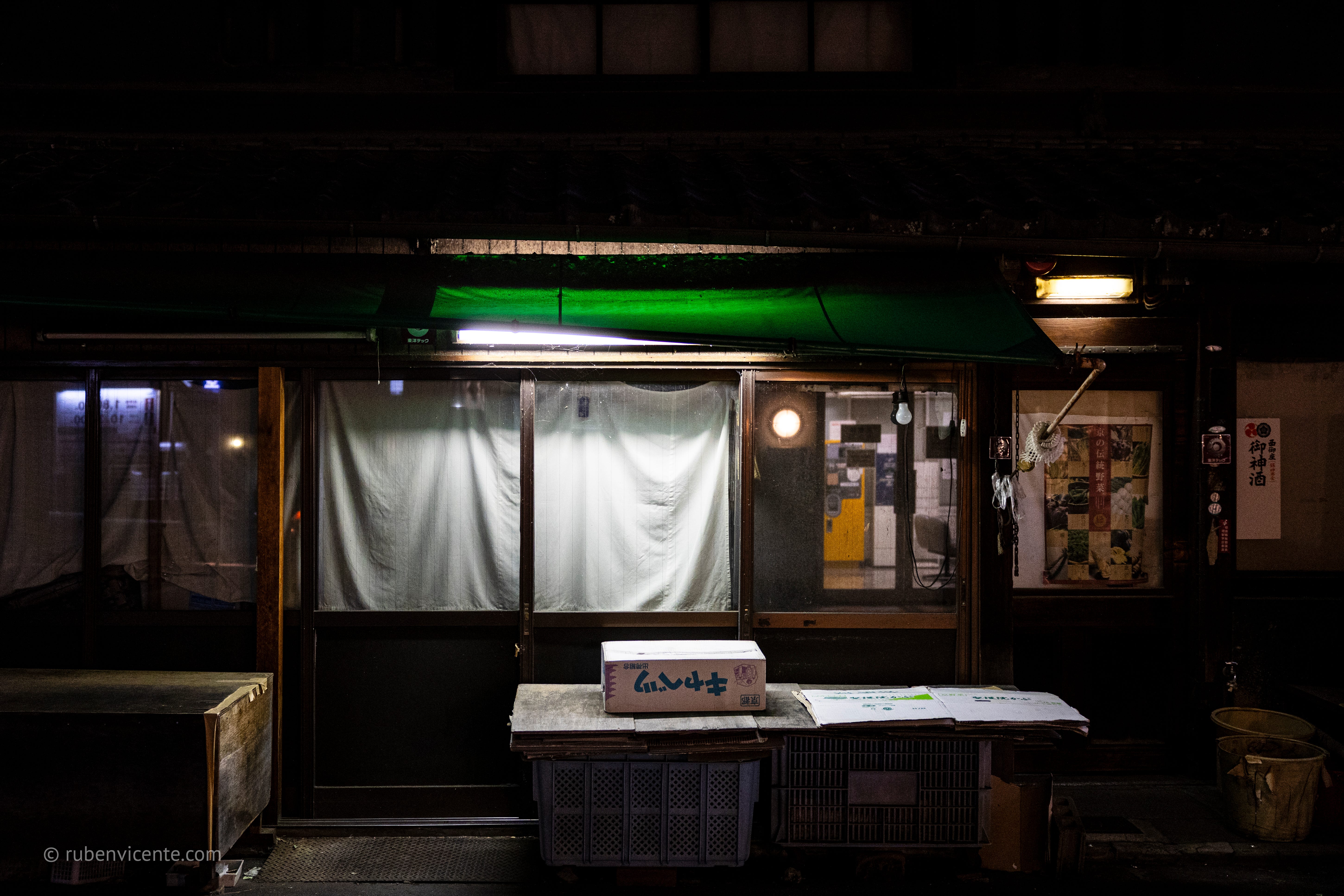
Still, I found Nakagyo-ku’s orderly streets engaging to roam. There are plenty of new, trendy shops now, but a few old gems remain. It’s funny—back in 2012, I fell in love with Kyoto. After this trip, I can safely say it is far from a place I would enjoy living in. It has become too chaotic. And it’s not just the size of the crowds; it’s how some people misbehave, acting as if they are having a wild party in their own backyard, completely oblivious to local culture and customs. Beautiful areas of Gion are now off-limits to tourists, and strict photography restrictions apply. Based on what I witnessed, I’m not surprised. Traditions and local communities need preservation, and unfortunately, this was the only solution authorities found to curb bad behaviour. It’s becoming a worldwide trend. Rant over.
Japanese train stations are truly something else. Bento box ready for the Shinkansen ride, with just enough time left to watch and appreciate the coordinated rituals of the station staff directing trains and passengers alike.
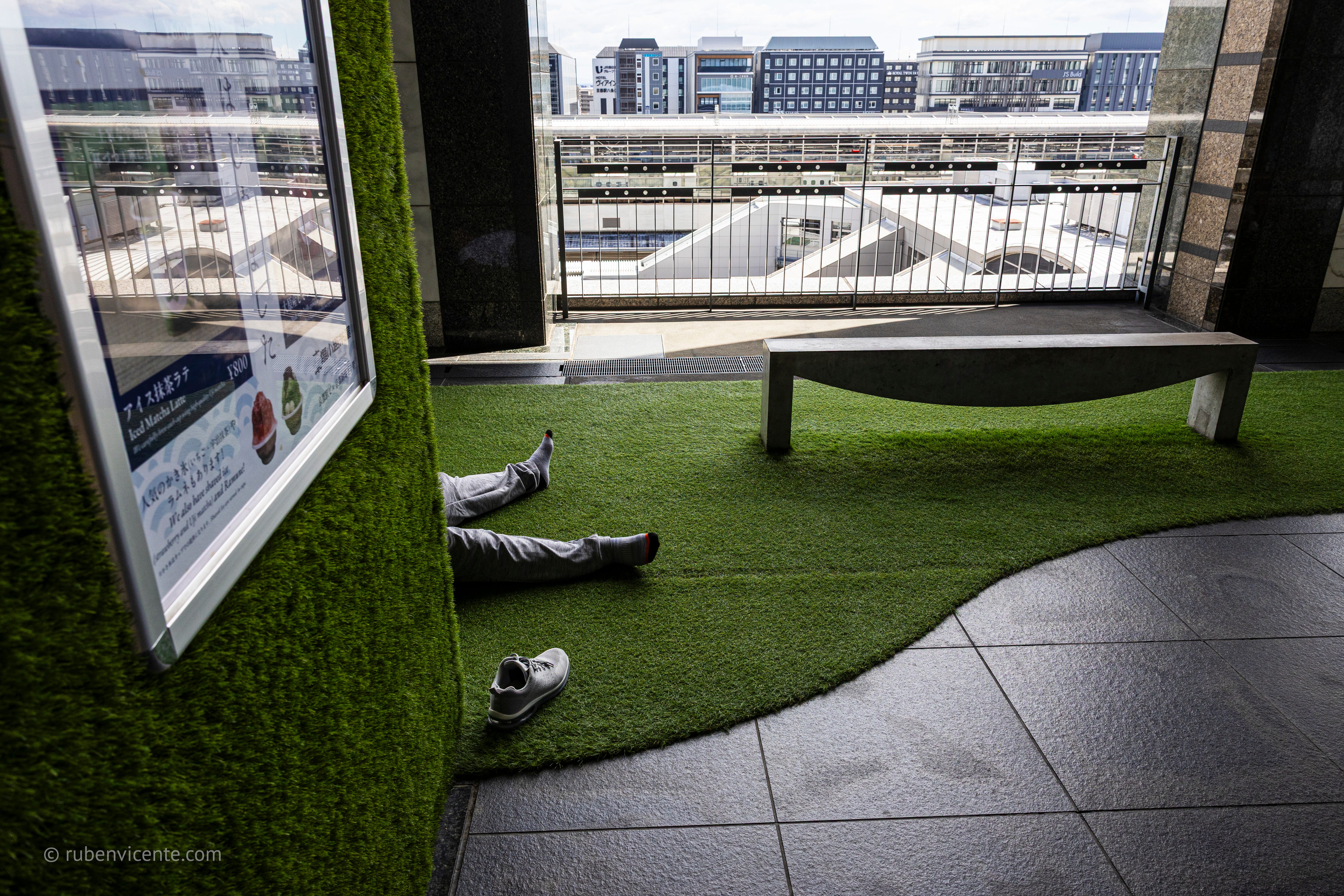
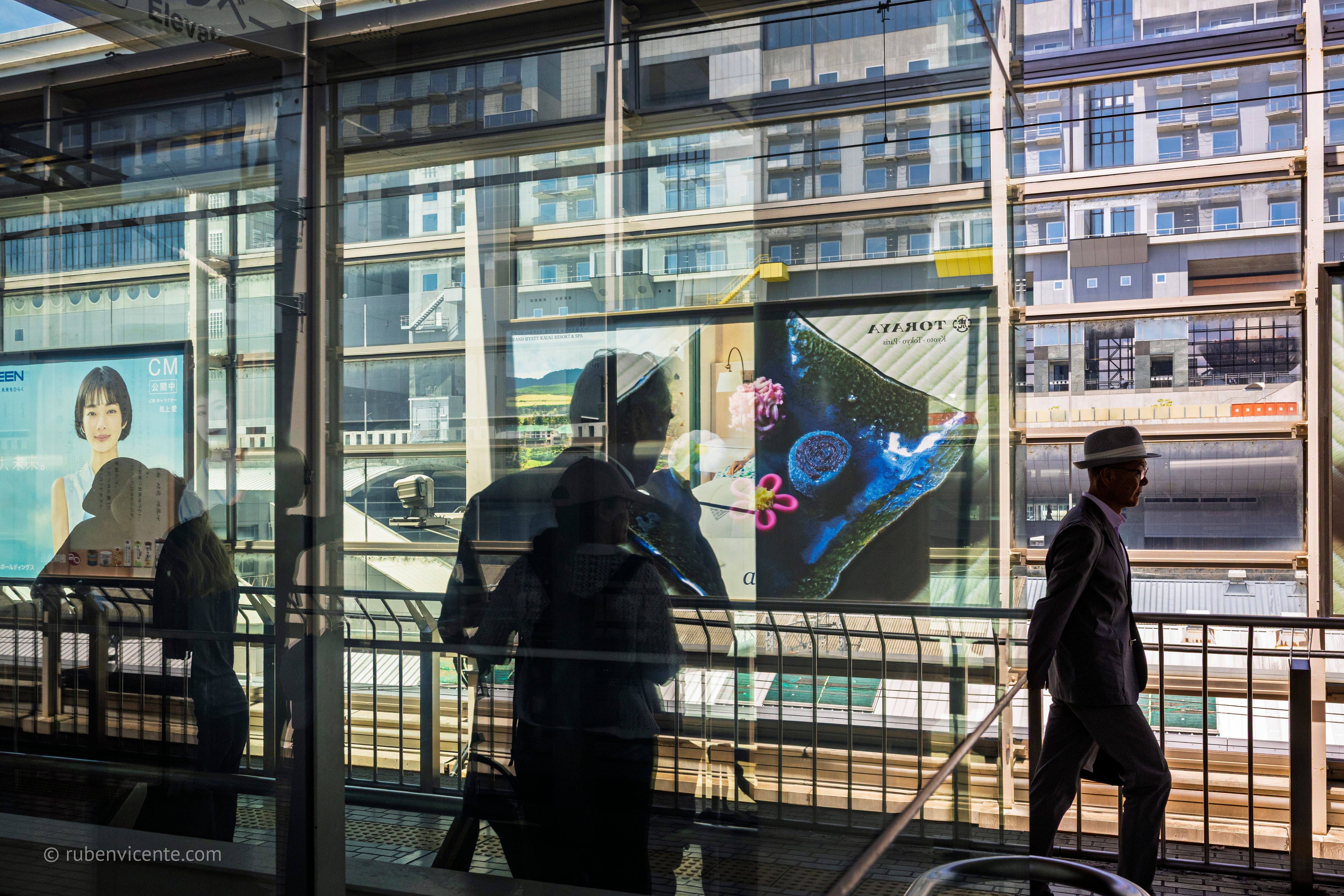
Tokyo, here we go!
If you enjoyed this article, please consider supporting my work with a paid subscription or a small contribution on the link below.
Thanks for the mention! You have to go to other parts of Kyoto, there are still some parts worth visiting that are not so packed with tourists. And you need to go to some other matsuri. Big city matsuri like Gion Matsuri and the one we went to (Jidai Matsuri) are always hard to get some good photos because of the crowds, but once you get to small town matsuri you will find the atmosphere is much more welcoming and relaxing.
Great photos, and excellent storytelling to accompany them. One day I hope to get there myself. It is unfortunate in this day of influencer antics that places have to limit visitors and restrict access. The saints pay the price of the sinners. Enjoy your travels and looking forward to more posts.