

Osaka
Japan trip 2025

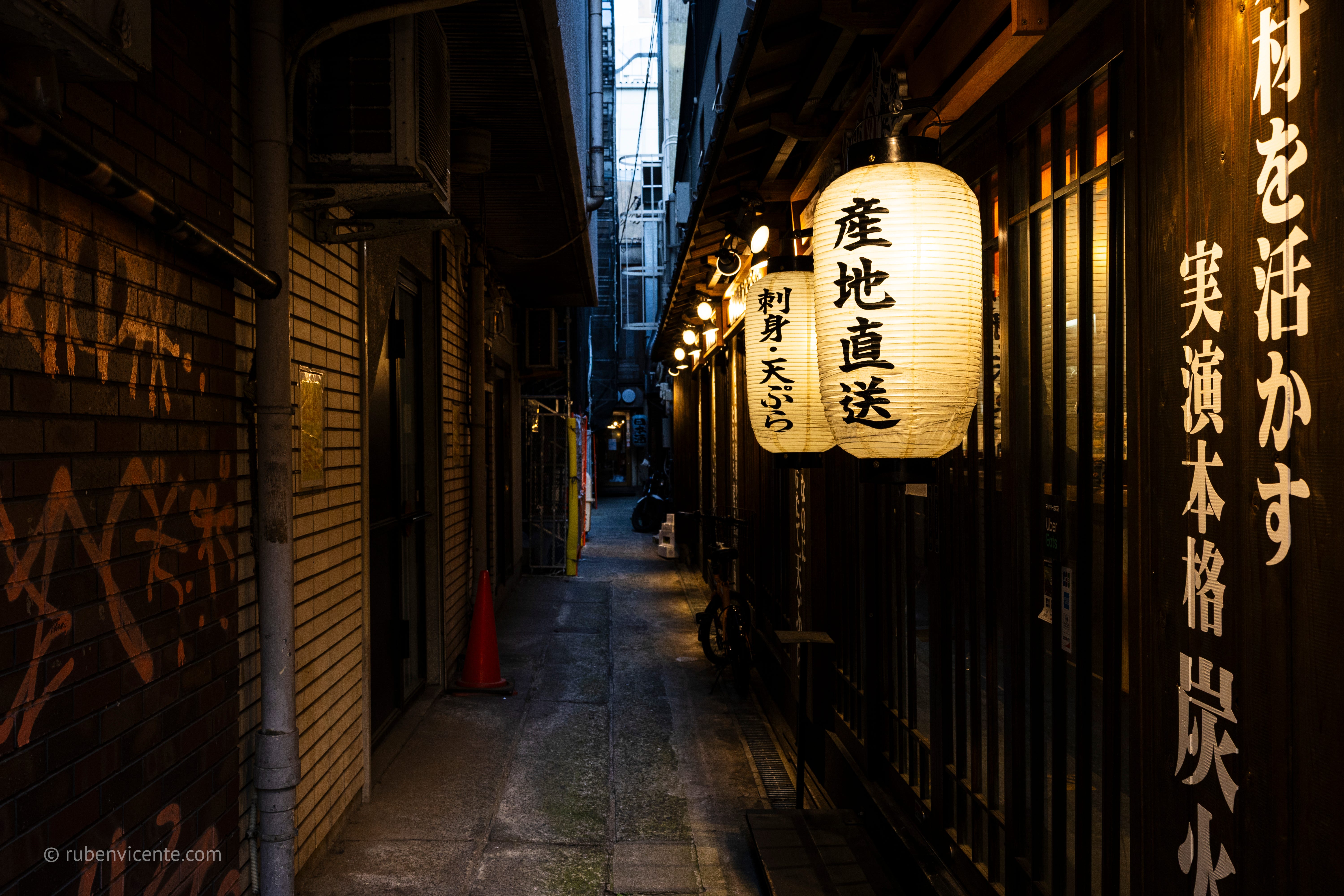
Evening falls. As we step out of the airport terminal to catch the train to downtown Osaka, the air is thick. Did I miss this humidity? It’s heavy and uncomfortable, yet the sensation triggers a physical nostalgia, pulling back memories of past journeys. I confirm our luggage is safe via an AirTag, activate the eSim for full connectivity, and tap some yen into my digital Icoca card. So much has changed since my first trip to Japan in 2012 with my friend João Maia, but my traveler’s excitement remains untouched.
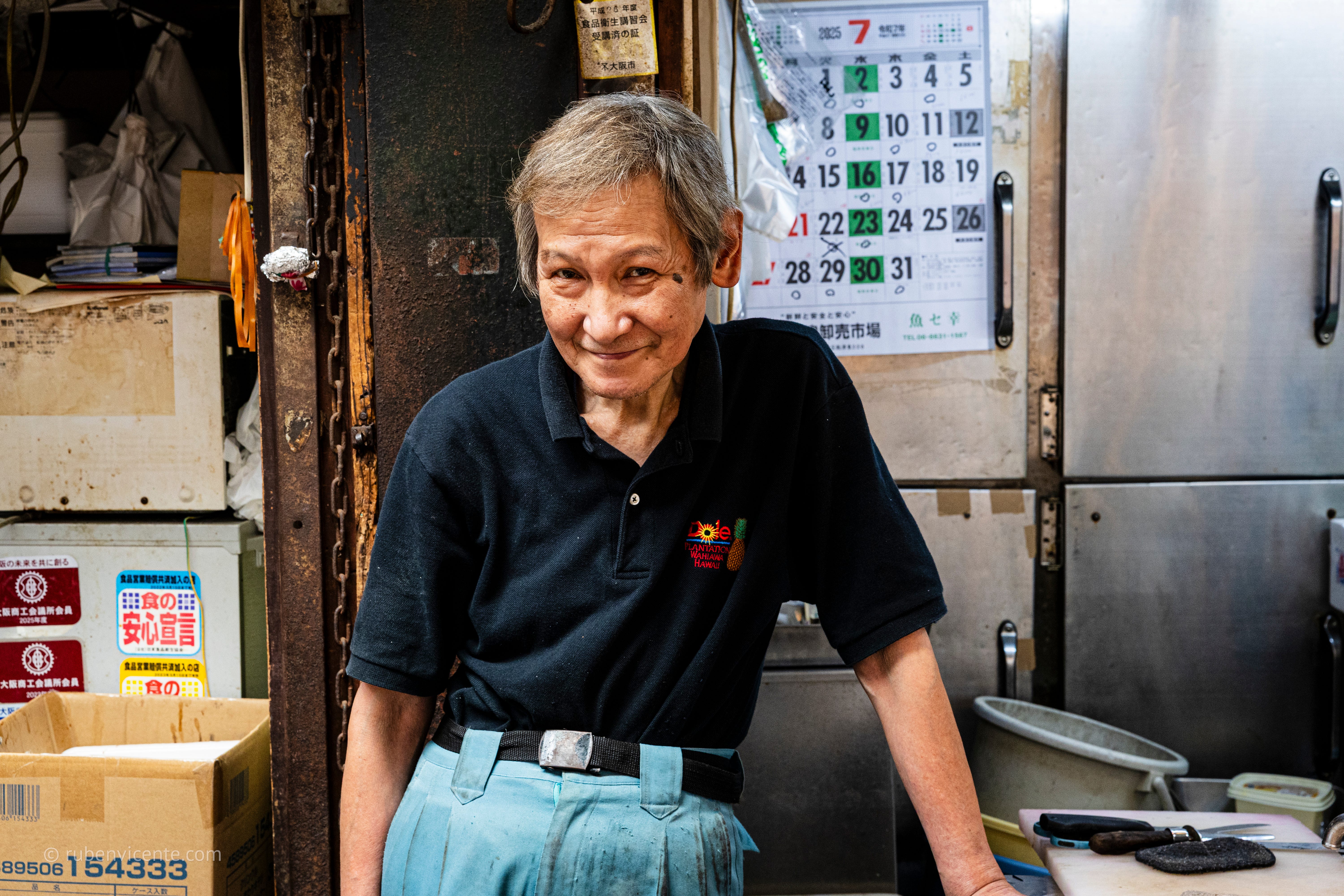
This two-week journey with my girlfriend in the summer of 2025 began with three full days in Osaka. I often say Japan is more than just a geographical island; it is an outlier in its culture and traditions, a place defined by mystery, ritual, and an unparalleled communal respect. The streets feel safe at any hour, yet your senses are constantly pulled in different directions: a tiny temple tucked into a busy neighborhood, cosplayers hawking tickets to places you’d rather not go, or a hidden mosque marked by a single green sign in a dark alley.
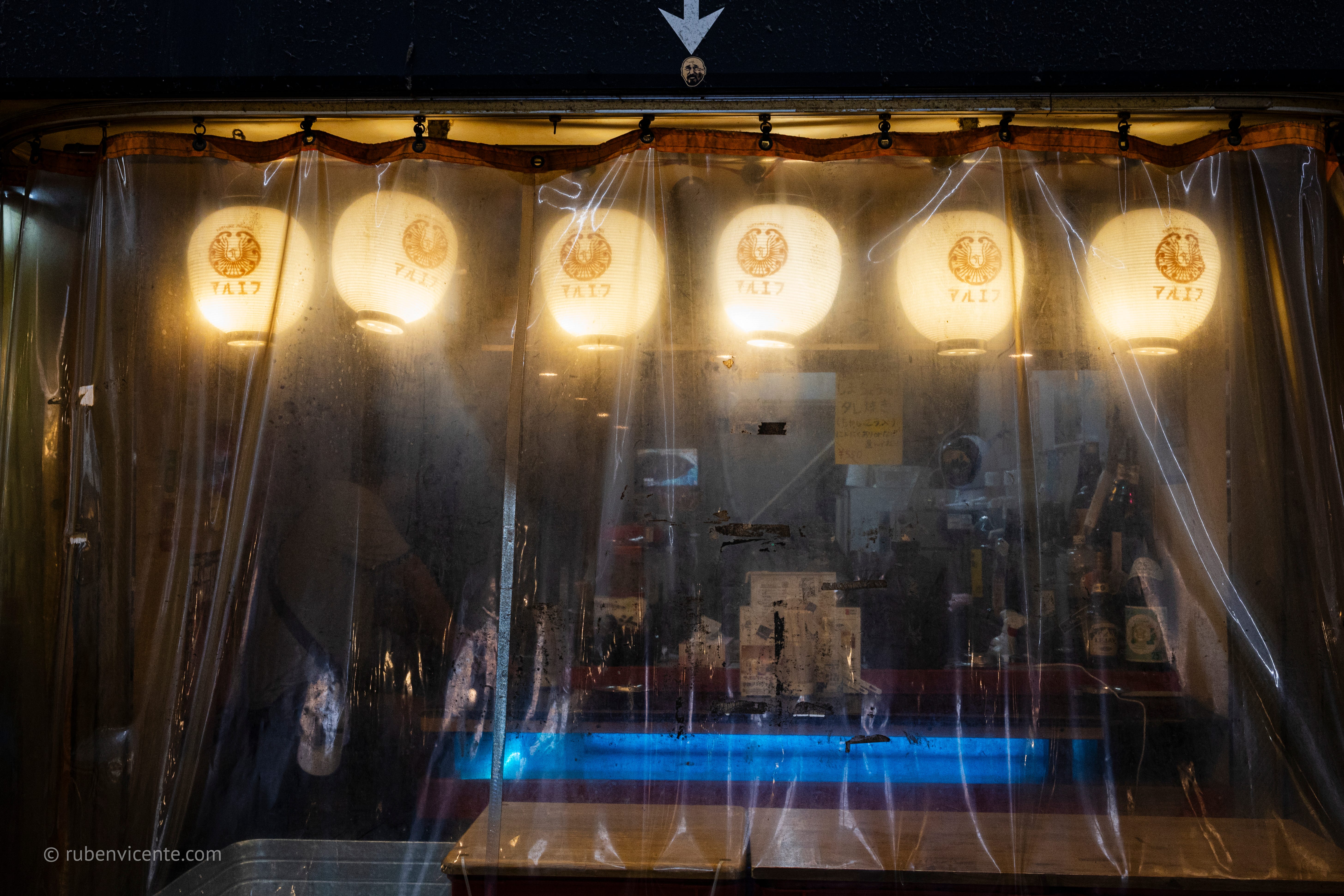
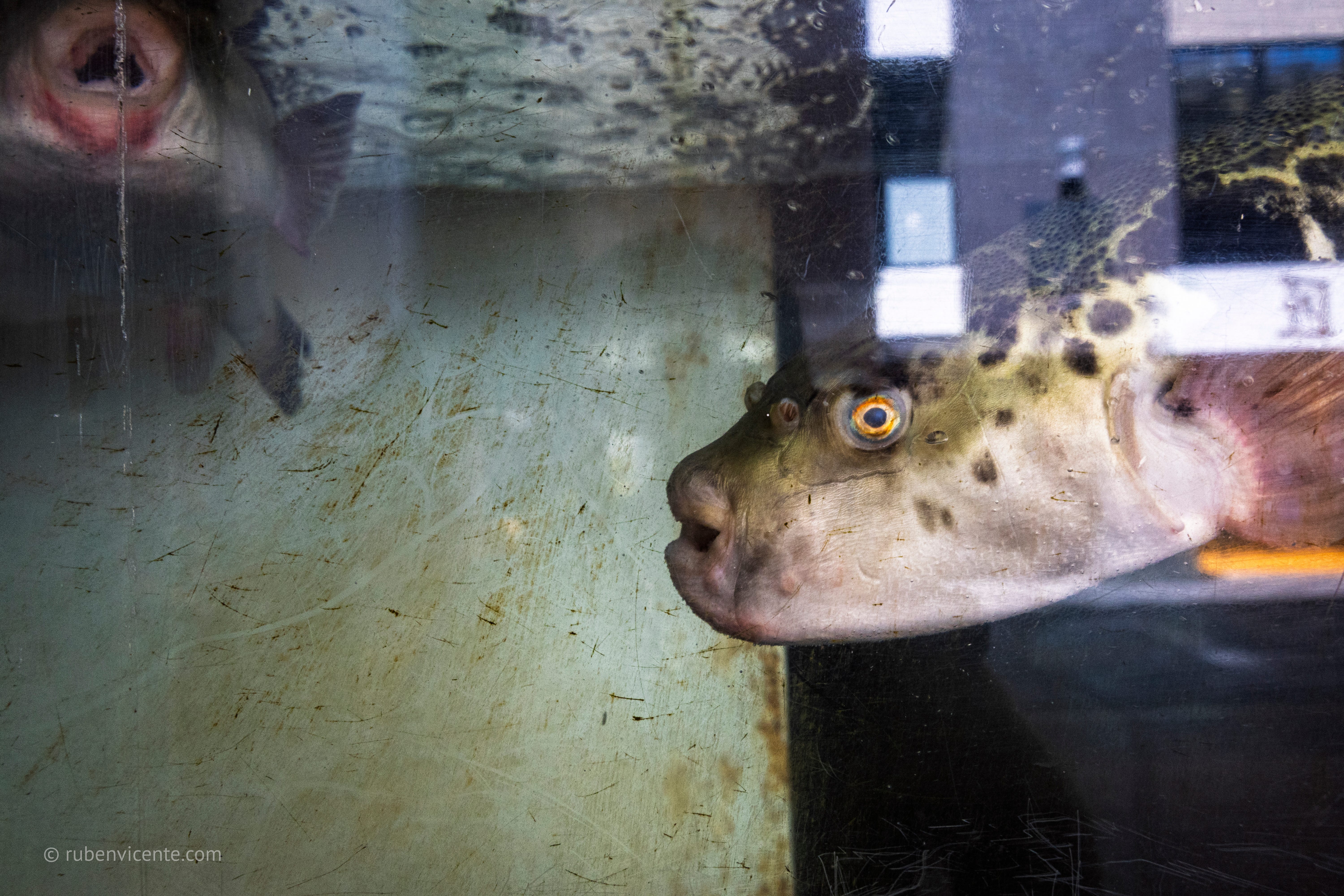
For me, one of the highlights of any trip is the local food, and I must confess: of all the places I’ve traveled, Japan is the pinnacle. Whether you spend 10 € or 100 €, the meal is guaranteed to be delicious and meticulously crafted. Osaka is no exception. Its Edo-period reputation as the “Nation’s Kitchen” (tenka no daidokoro), once the rice-trading hub of Japan, is a testament to this deep-rooted culinary focus. While I didn’t strictly follow the kuidaore philosophy (eating until you drop), I did adopt a “less is more” approach, sampling as many different dishes as possible.
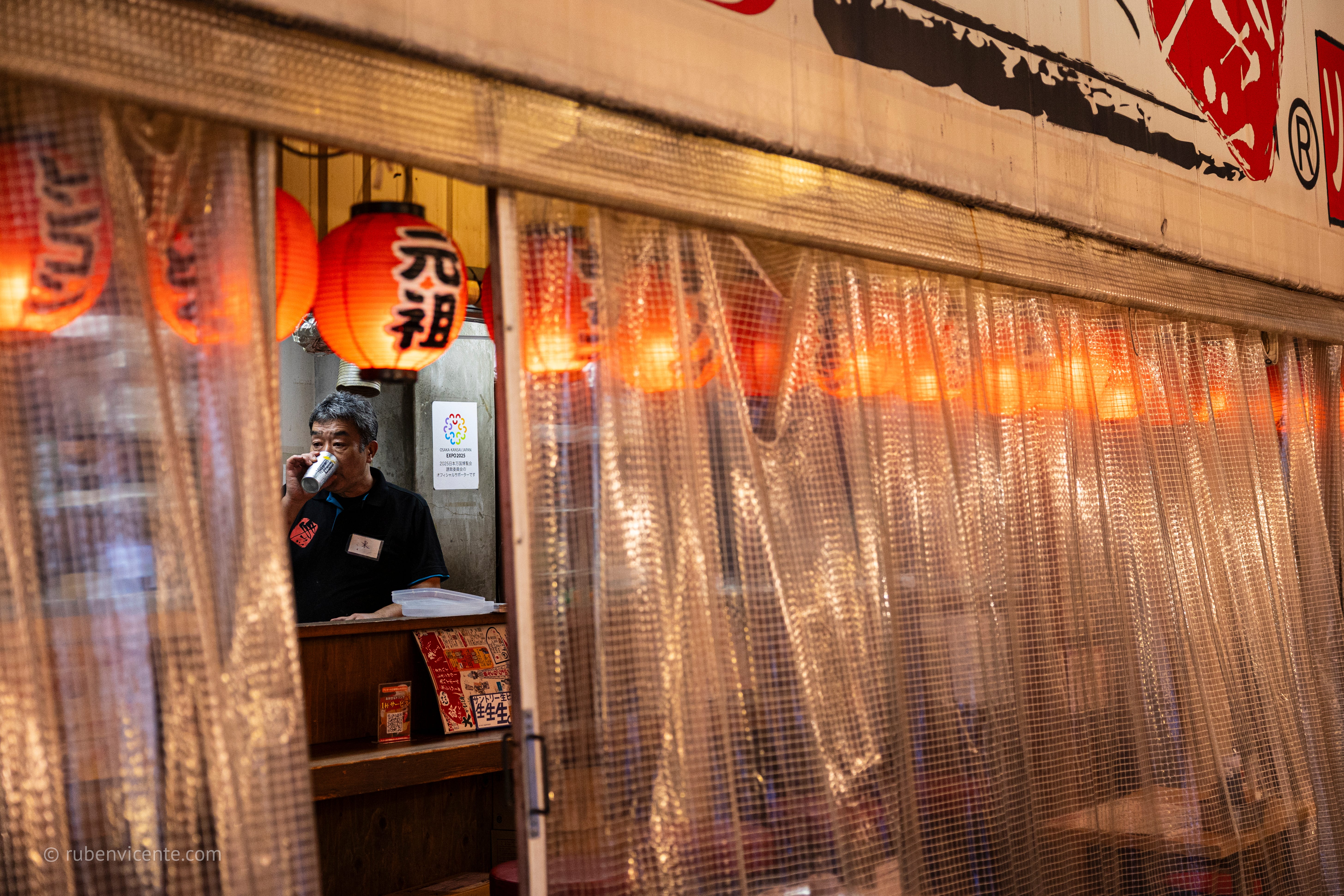
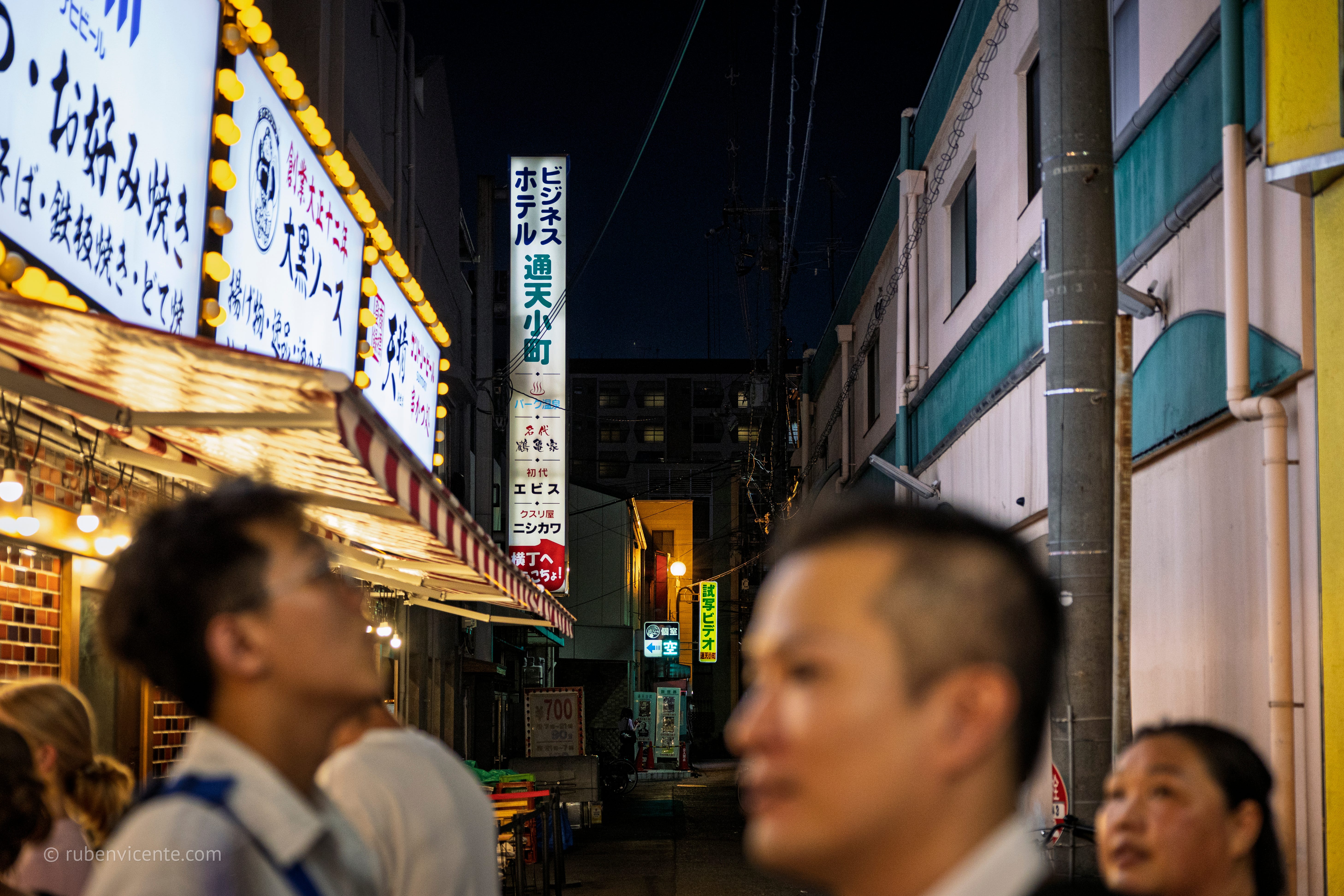
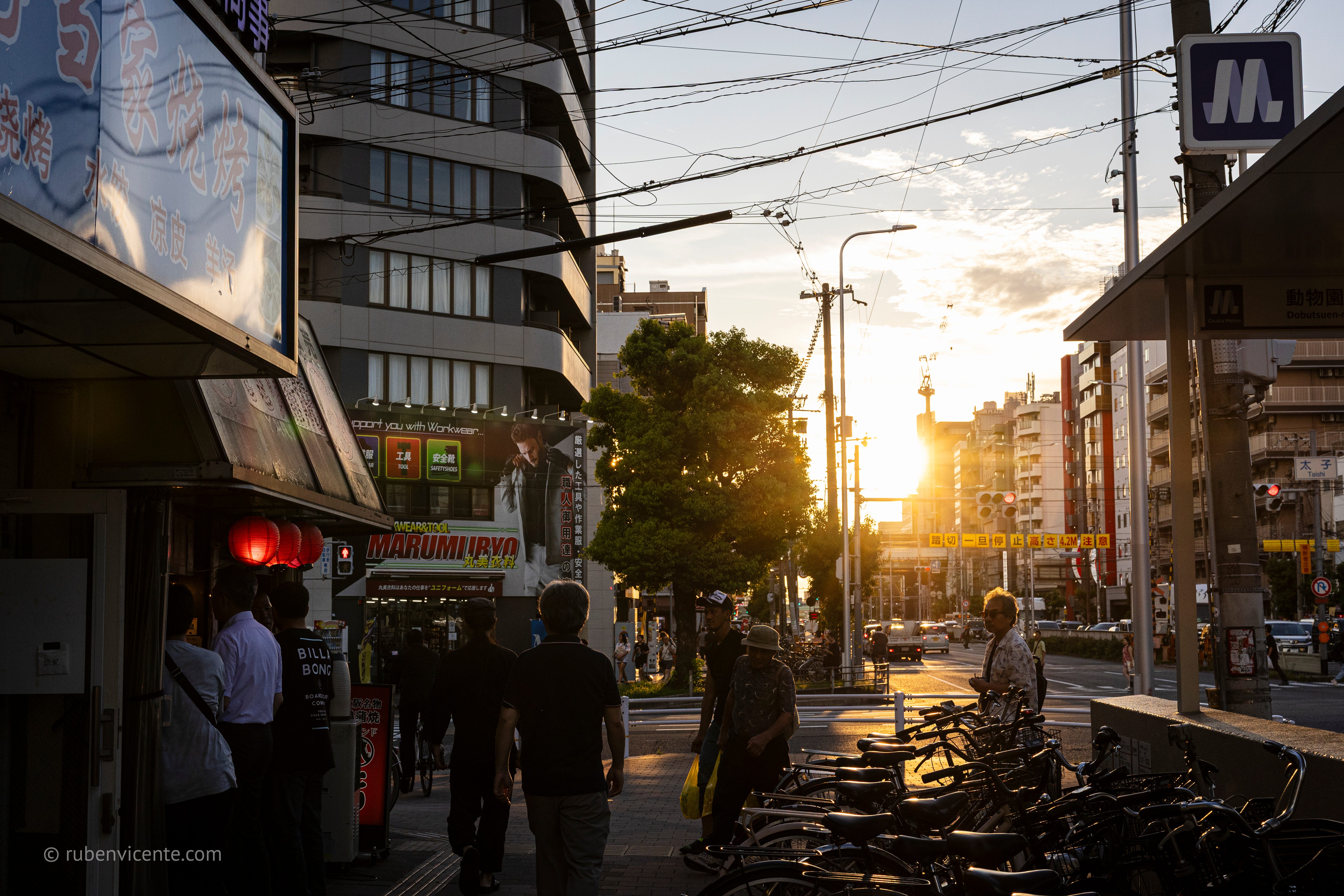
As always, walking was my preferred method of discovery. It’s slow, deliberate, and gives me time to truly see. Photography is nothing without seeing, and it’s nothing without light. I have a long-standing fascination with photographing cities after dark, and Osaka doesn’t disappoint when the sun goes to sleep. The markets are equally captivating; Kuromon is a fantastic place to wander and eat after exploring the otaku shops further south, where adult and children’s stores sit side-by-side in a strange, surreal blend.
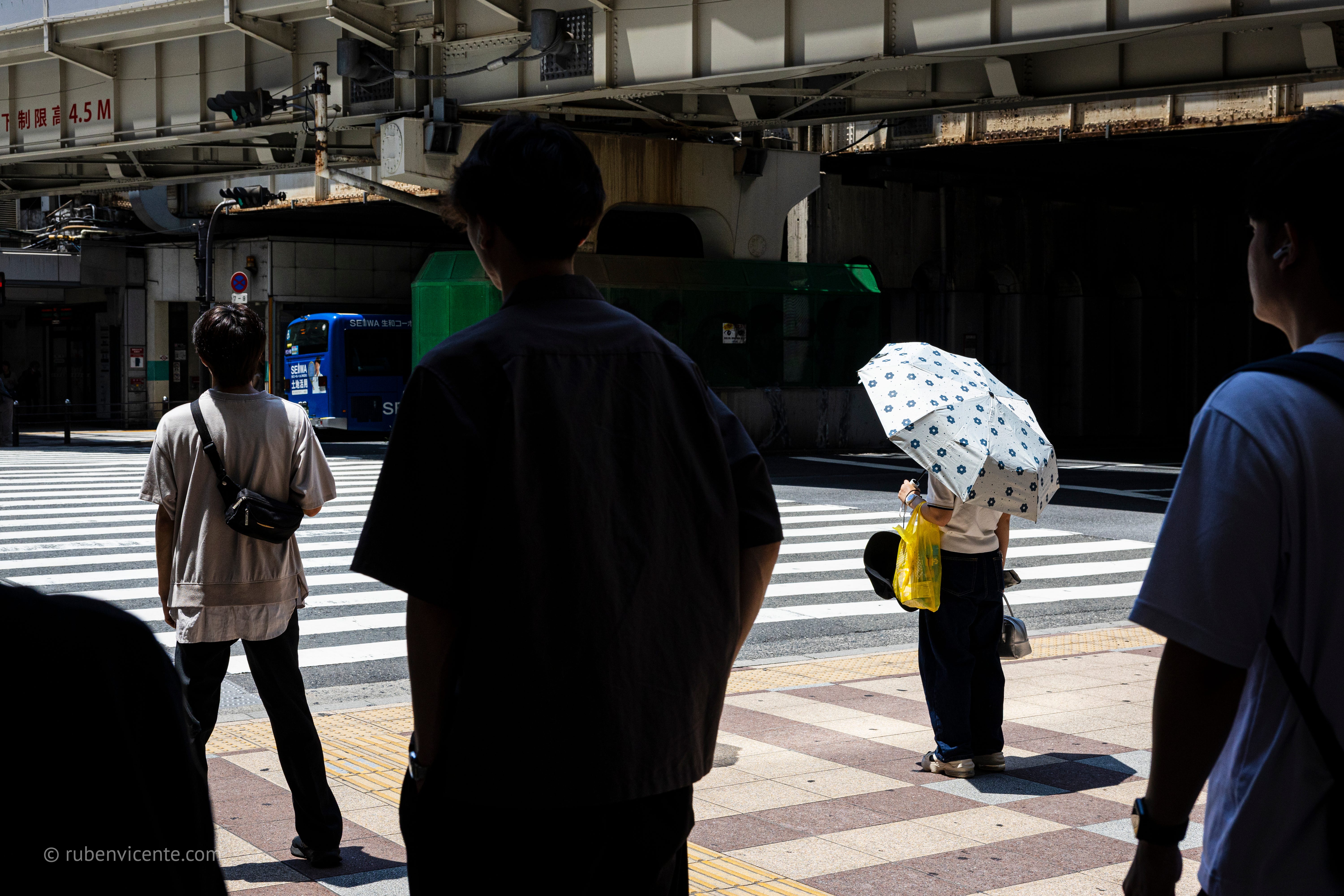
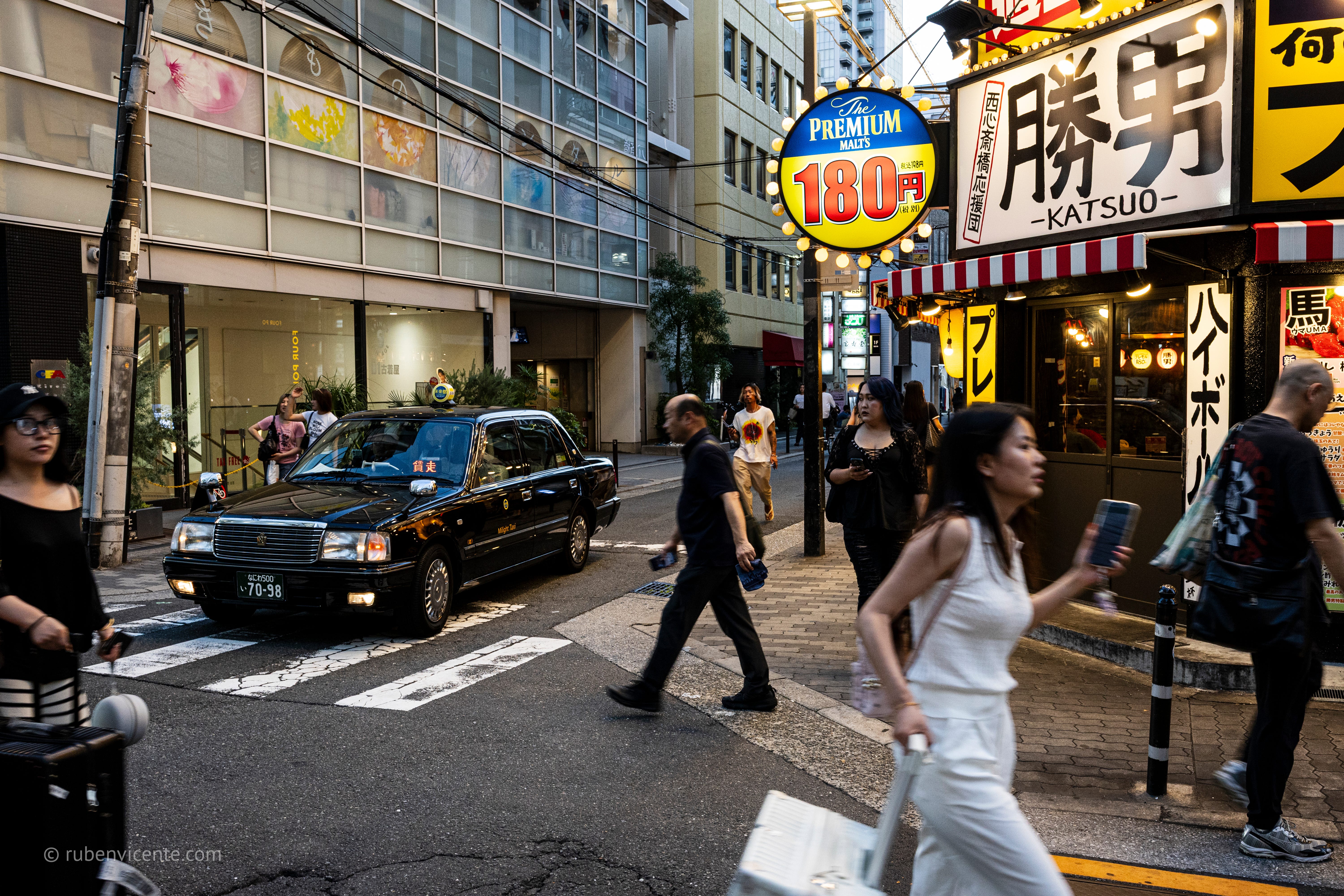
My hotel was a 10-minute walk north of Dotonbori, meaning I passed through the district every night. It was chaotic, yet finding quiet pockets wasn’t difficult. Visually, it’s stunning, dominated by massive LED screens and those iconic, giant 3D mechanical signs (though I could have done without the canal boats blasting party music). While Shinsekai is often bathed in a nostalgic light, it didn’t quite live up to my expectations; however, Tennoji Park offered a refreshing, authentic glimpse into Osaka’s daily life. Conversely, the east side of Osaka Station felt truly nostalgic, even gloomy, in an unexpected way.
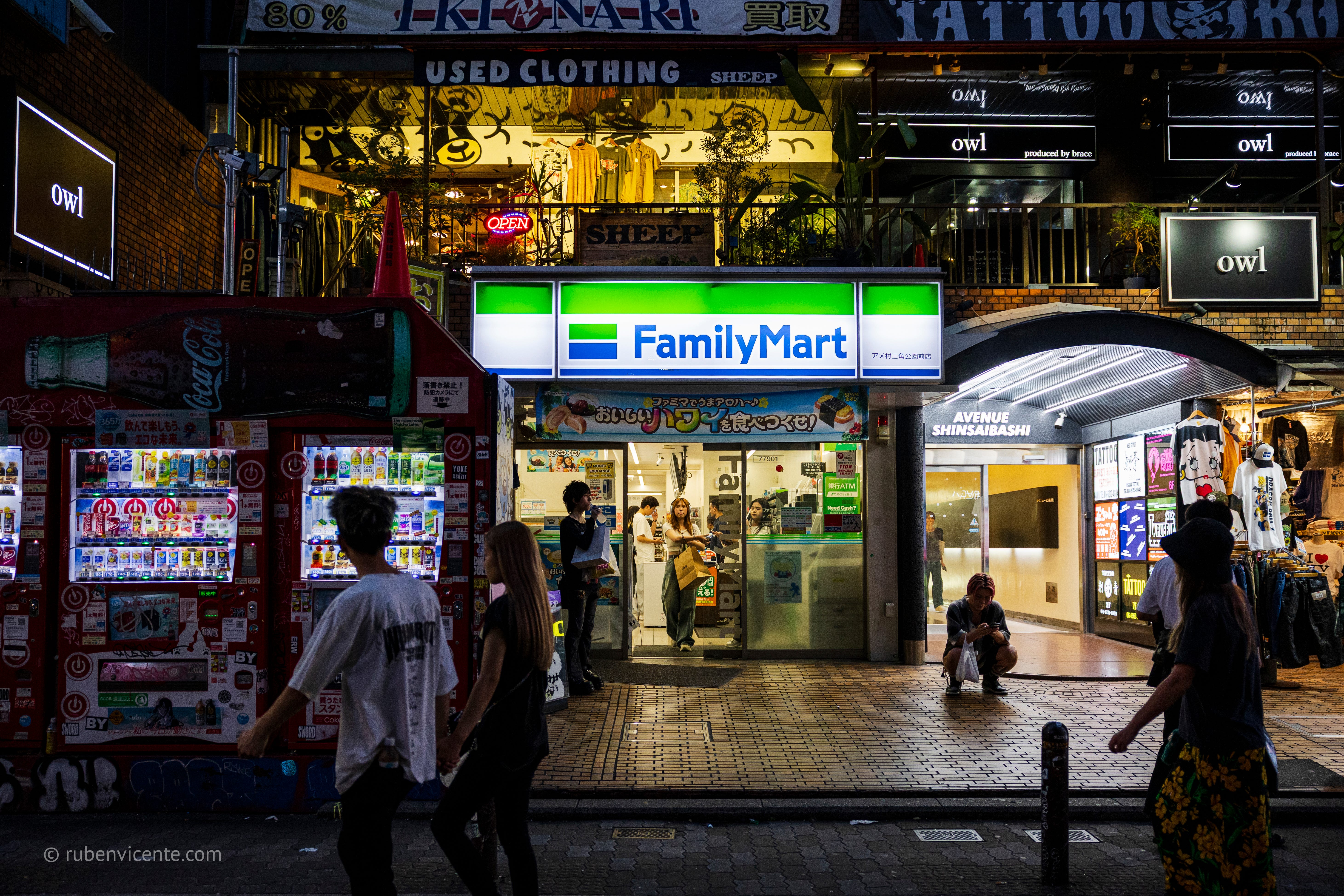
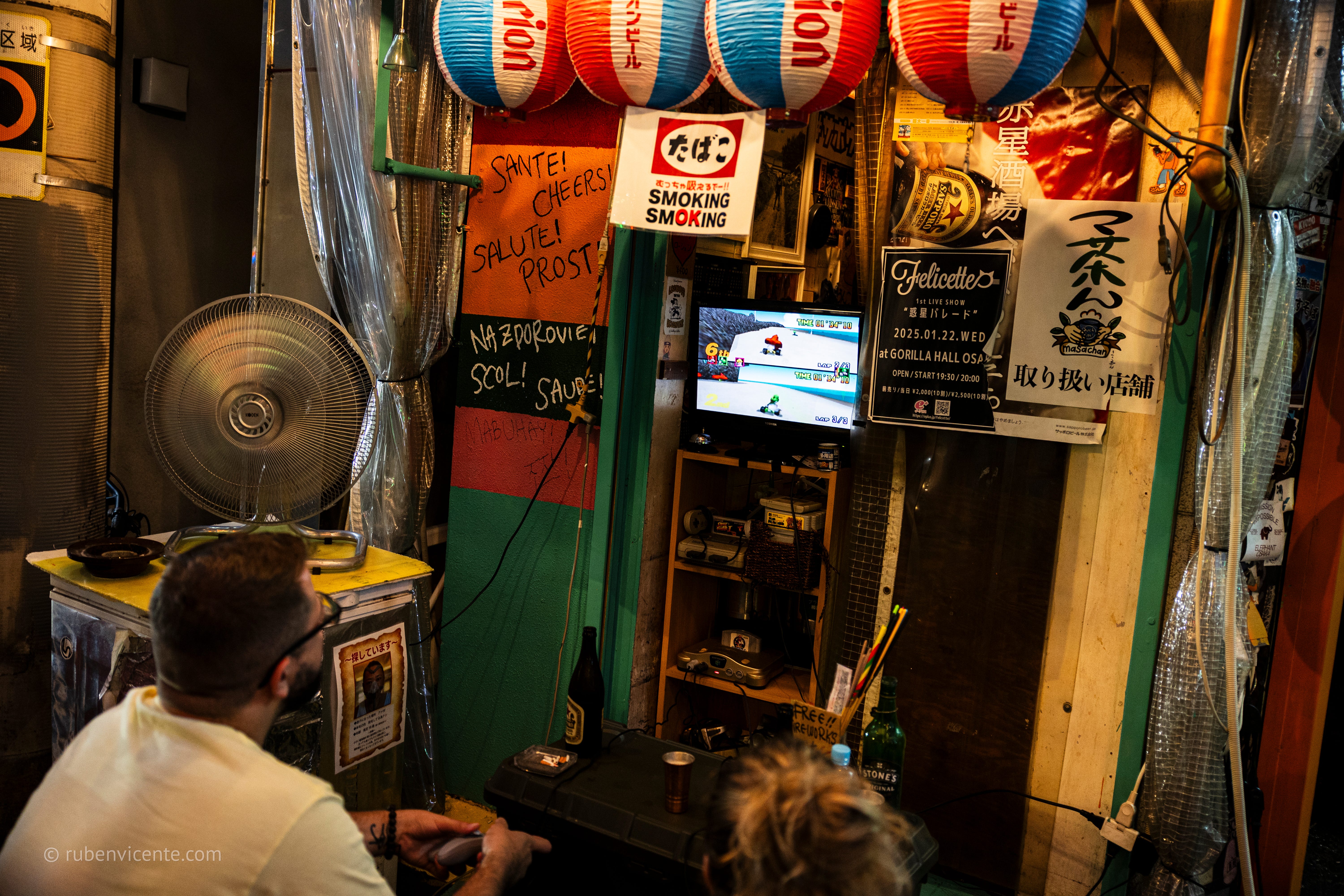
As is always the case, time was my scarcest resource. Three days could have easily been thirteen, and I still would have wanted more. My next two stops in this trip weren’t new to me, but they will be featured in future articles.
If you enjoyed this article, please consider supporting my work with a paid subscription or a small contribution on the link below.
Beautiful photos.
Thank you for showing so much love for my city, Osaka.
Really wonderful images, Ruben! I was supposed to work and live in Osaka in 1996. I turned down the work and though it was for good reason, I long to visit. One day I will.